





In eastern Zimbabwe, poets and painters are proving more effective at motivating green action than policy papers
by BERNARD CHIKETO
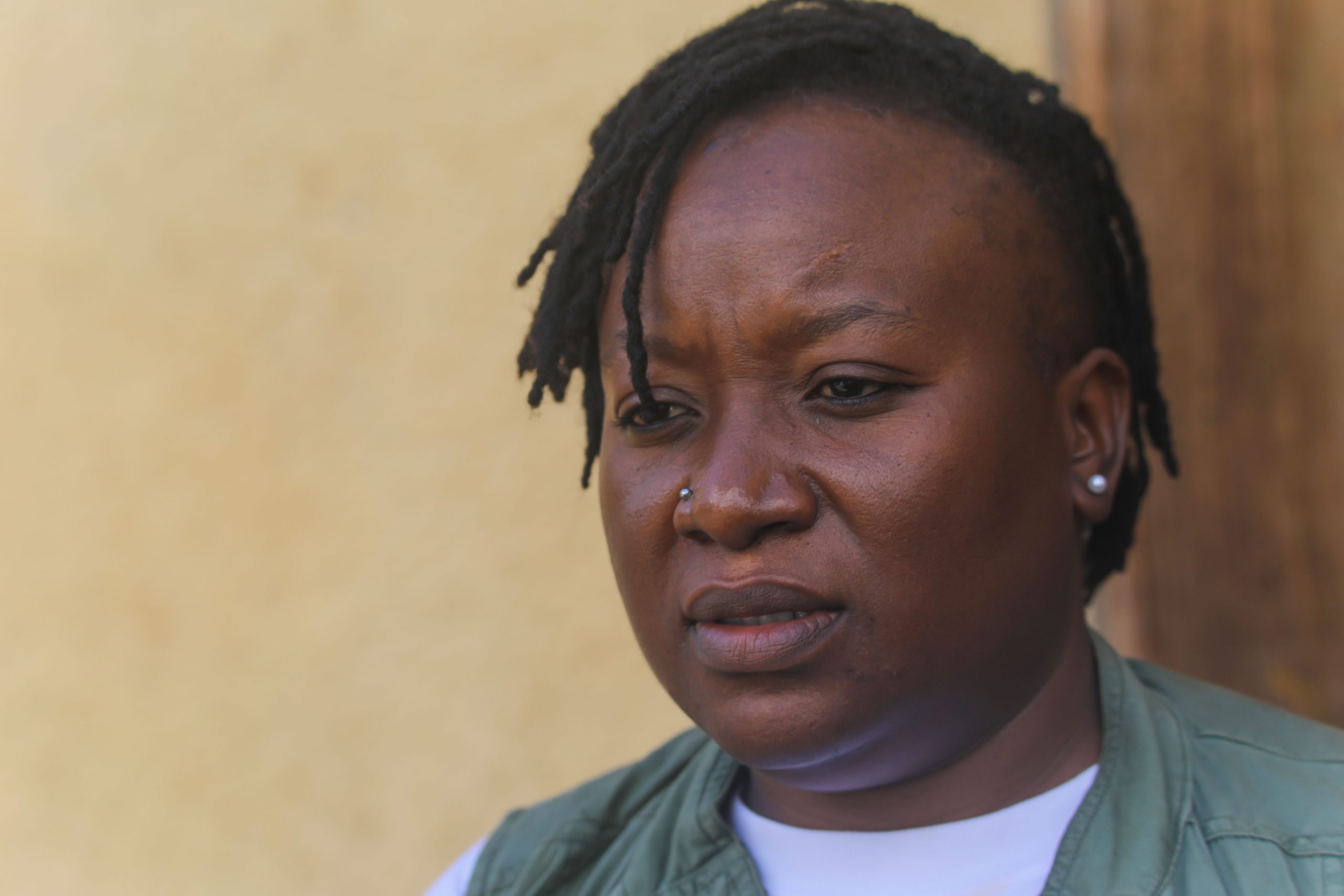
ON A SUN-SPLASHED morning in Sakubva, Mutare’s oldest suburb, Tawanda Ndlovu made an environmental plea that would have silenced a room of bureaucrats.
She spoke of a heating climate, poisoned wetlands, dying rivers—a planet “crying for action”. No charts. No emission figures.
Behind her hung paintings and poems. A new theme song waited.
Ndlovu manages the MutARE Tales Arts Association and serves as Zimbabwe’s Green Earth Action Ambassador. She spoke at the 4.29 Green Earth Action Day, a 20-nation campaign run by the Green Earth Action Foundation.
The event asked a blunt question: Can art move people when technical reports fail?
The answer starts with a simple fact. “Sustainability” and “carbon sequestration” are precise; they rarely stir anyone.
“Art turns jargon into something relatable,” Ndlovu told the crowd. “Something simple. Something that makes sense.”
This is not idle talk.
Zimbabwe’s National Development Strategy brims with environmental targets, yet across Africa those targets rarely reach the public. MutARE Tales recasts global warming as a fight for local rivers and forests, for “a future in which our children can enjoy”.
Story, song and image, the group insists, build the gut-level push that moves people from knowing to doing.
The results are modest but telling.
Earlier, volunteers led by Mutare’s District Development Coordinator (DDC) Tendai Kapenzi, officials from the Environmental Management Agency (EMA), the Manicaland Youth Association, Environmental Buddies and an army of artists had cleared litter from riverbanks and planted trees.

More striking: of the 20 nations involved, only Zimbabwe—through Mutare—produced its own theme song. “A Clean Green World”, written and sung by young local artists, showed, in Ndlovu’s view, that creative energy fills what institutional plans leave empty.
Collaboration sits at the centre.
Ndlovu said she learned more about recycling in a 20-minute chat with Shamiso Mupara of Environmental Buddies Zimbabwe than from hours of reading. Mupara, who also presented, fumed that waste separation was a sham—everything gets dumped in one heap at the city’s dumpsites.
DDC Kapenzi repeated that artists could use their craft to hold a mirror on society and help interpret and package information for the public to clearly know what they need to do to make the world safer.
Alice Chivese from EMA praised the civic society led event. And the young artists for their awareness and concern for the environment.
MAYA called for the punishment of bad environmental behaviour arguing that doing so will stop humans from repeating it.
Ndlovu’s next project will turn rubbish into art, teaching communities that discarded things still hold value—a lesson in economics as much as ecology.
None of this airbrushes Zimbabwe’s arts scene, where young creatives scramble for recognition and income. Ndlovu acknowledged their frustrations even as she praised their drive. “Hard work always pays,” she told them. “It may not be immediately, but eventually.”
Her session ended with a small act of accountability.
Attendees got slips of paper and wrote three things: a personal environmental promise, an organisational pledge and their contact details.
The notes were gathered, picked apart and will be used to shape future cooperation.
It is a long way from a binding international treaty. But in Mutare, where art has become an unlikely weapon for a cleaner planet, it may be enough.
As the theme song rose, performed by artists Ndlovu called to the stage—Deoline Makoni, Cuthbert Mtisi and their fellow musicians—the message cut through. Change does not start in Geneva or at COP summits. It starts with a song, a poem, and a scrap of paper.
Do you have a story to share? Email bchiketo@gmail.com