






STAFF WRITER
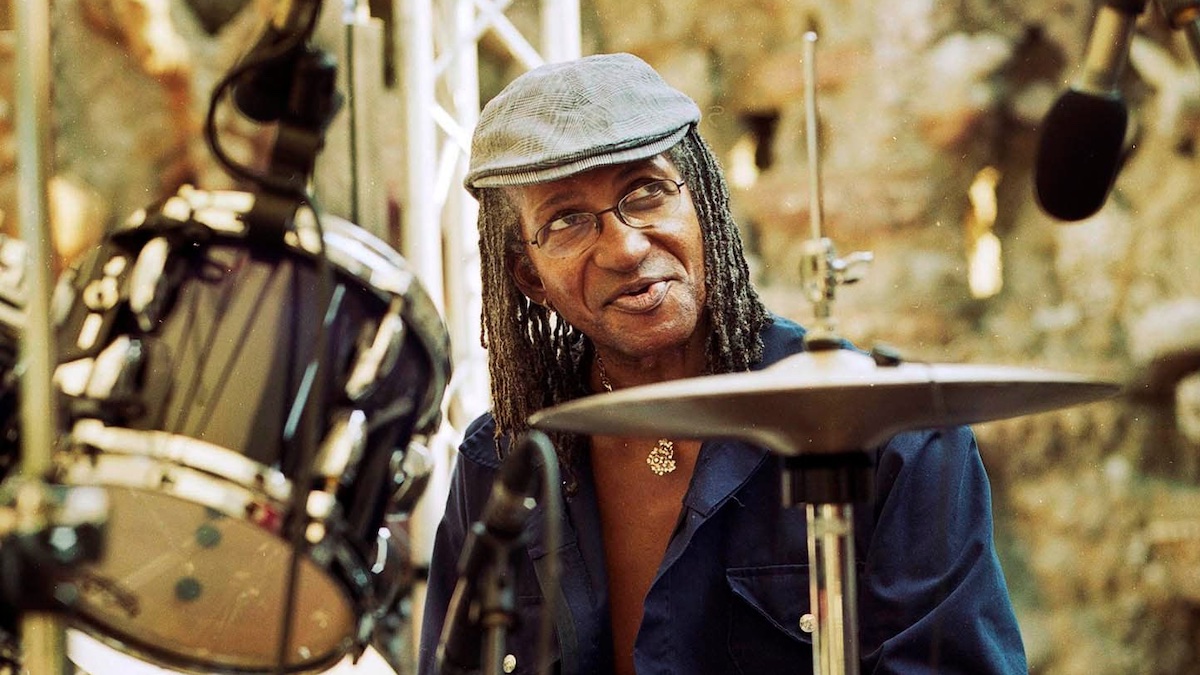
LOWELL Fillmore “Sly” Dunbar, the pioneering drummer whose revolutionary beats formed the backbone of reggae and provided rhythm for musical titans from Bob Dylan to Grace Jones, died Monday morning at his home in Jamaica.
He was 73.
His wife, Thelma, found him unresponsive in bed around 7 a.m. and called a doctor, who pronounced him dead.
Though he had been unwell for some time, his death came as a shock following a good day spent with visiting friends.
Dunbar was one-half of the most influential rhythm section in modern music, Sly & Robbie, a partnership with bassist Robbie Shakespeare that lasted nearly 50 years until Shakespeare’s death in 2021.
Together, they are estimated to have played on or produced over 200,000 recordings.
Born in Kingston on May 10, 1952, Dunbar was drawn to drums as a child after seeing Lloyd Knibbs of The Skatalites on television.
Before owning a kit, he practiced on tin cans and his school desk. His professional journey began in earnest in 1971 when he played on Dave and Ansell Collins’ “Double Barrel,” a UK number-one hit.
His fateful partnership with Shakespeare began in the mid-1970s. Dunbar was fascinated by Shakespear’s style and skills and the two soon discovered that they were both addicted to music.
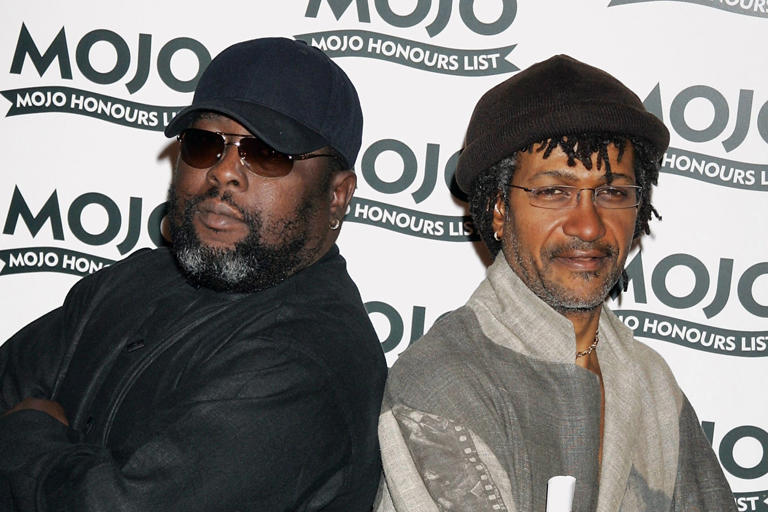
That obsession became the foundation for a profound creative and personal bond. Dunbar and Shakespeare became the rhythmic engine of Jamaican music.
As the house band for Kingston’s famed Channel One studio, known as The Revolutionaries, they played on seminal records for Peter Tosh, Bunny Wailer, and Black Uhuru.
Dunbar was instrumental in evolving reggae’s signature “one drop” rhythm into a harder, more syncopated style known as the “rockers” rhythm.
A 1978 U.S. tour with Peter Tosh, opening for The Rolling Stones, proved pivotal. This inspired a more powerful, arena-filling drum pattern that would define their future work.
Their reputation for innovation soon attracted artists from far beyond reggae. They played on three iconic Grace Jones albums—Warm Leatherette, Nightclubbing, and Living My Life—and multiple records for Bob Dylan, Serge Gainsbourg, and Mick Jagger.
They co-founded Taxi Records in 1980, nurturing a new generation of Jamaican stars like Shaggy and Beenie Man.
Dunbar embraced technology, pioneering the use of drum machines and samplers in reggae to help usher in the digital dancehall era of the 1990s.
With Shakespeare, they produced massive global hits like “Tease Me” and “Murder She Wrote” for Chaka Demus & Pliers, and later, No Doubt’s “Hey Baby”.
Their work earned 13 Grammy nominations and two wins.
Tributes from across the music world are pouring in following news of his passing.