






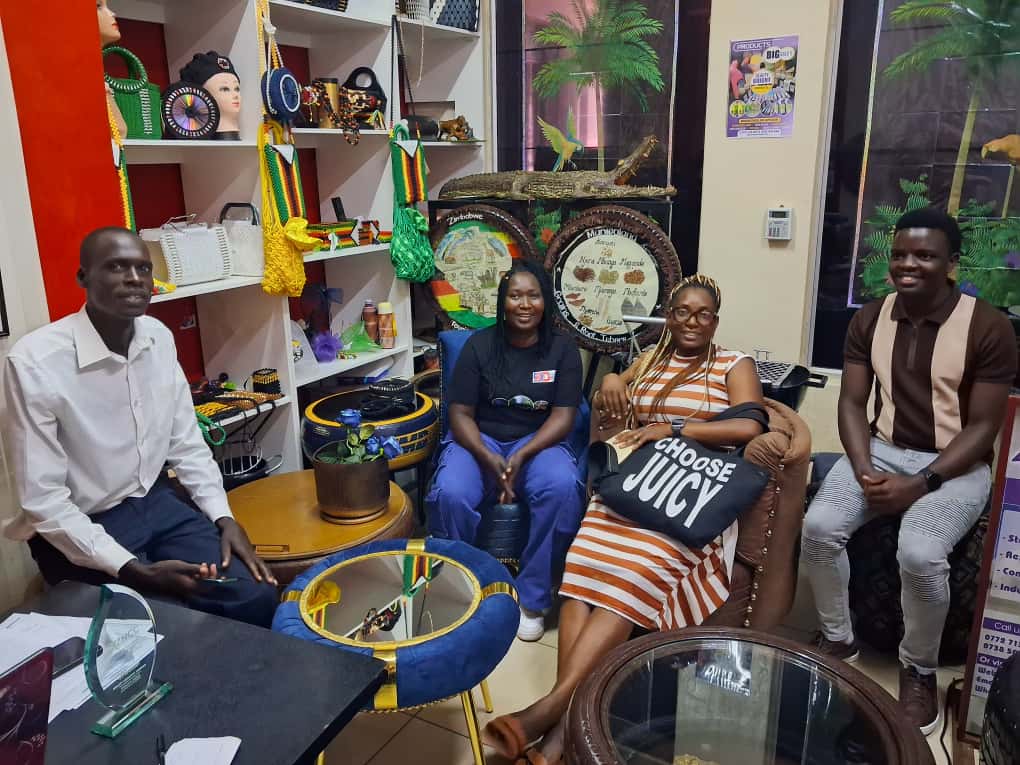
by BERNARD CHIKETO
A WORKSHOP is not, usually, the most promising setting for a revolution.
Yet on April 24th in Mutare, the Women’s Coalition of Zimbabwe (WCoZ) gathered journalists and content creators with a simple request: find the stories of women who are reshaping what is possible, and tell them.
The organisers could have saved themselves the trouble and simply pointed across town, to a woman who has spent years ignoring the boundaries that supposedly define a Zimbabwean woman’s place.
Beauty Hughes worries about engines.
This alone marks her out. In a country where the space under a bonnet is coded unmistakably male, she has built a business, Zero Carbon Green Engines Solutions, around the decidedly unglamorous science of carbon deposits.
Her premise is straightforward: before electric vehicles arrive, which they will not do at scale for years, the quickest way to cut emissions and save motorists money is to clean the gunk out of the combustion engine.
Incomplete fuel combustion leaves a film of carbon that strangles efficiency, pumps out toxins and lightens wallets.
A catalytic converter can only do its job if the engine feeding it is not itself choked.
Hughes’s team detects and clears that build-up, then teaches owners how to stop it returning.
It is practical, greasy-fingered work. She is entirely comfortable with it.
Her ease in male-coded spaces does not stop at the garage.
She serves on the provincial executive of the Caps United Football Club supporters’ association, a world of boisterous terraces and largely male camaraderie.
On match days she is as likely to be found orchestrating chants as analysing formations.
That a woman holds such a post is still sufficiently rare in Zimbabwe to raise eyebrows.
Hughes appears not to notice.
When not under a vehicle or in a stadium, she can often be found in a cloud of rubber dust.
She recycles discarded vehicle tyres—another pollutant—and transforms them into household furniture: chairs, tables, stools.
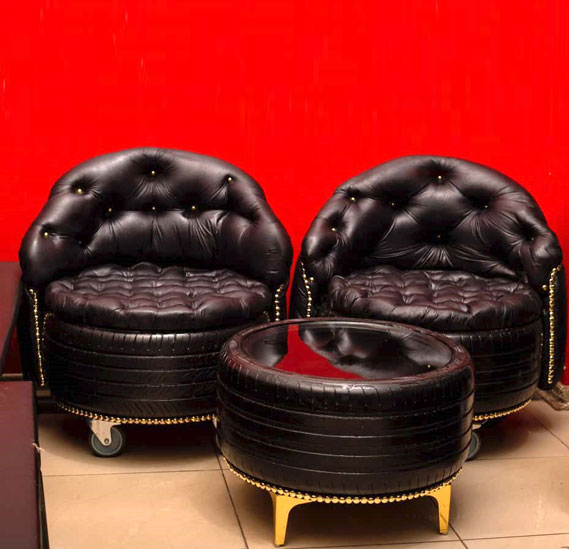
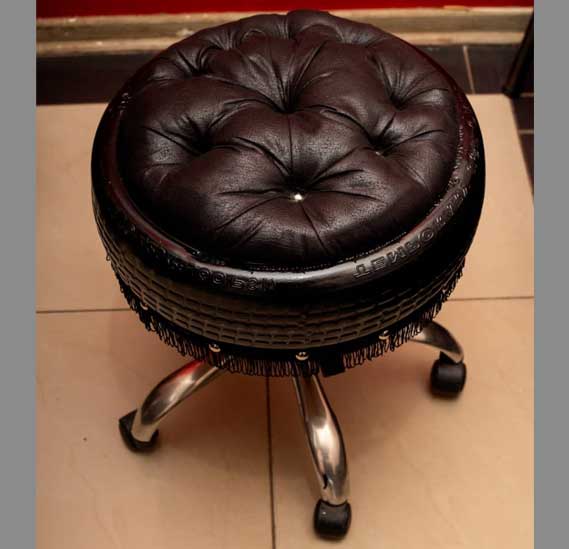
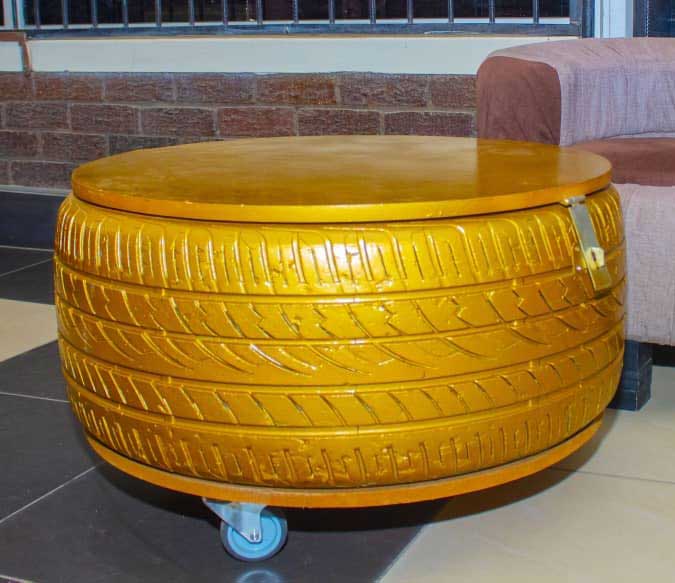
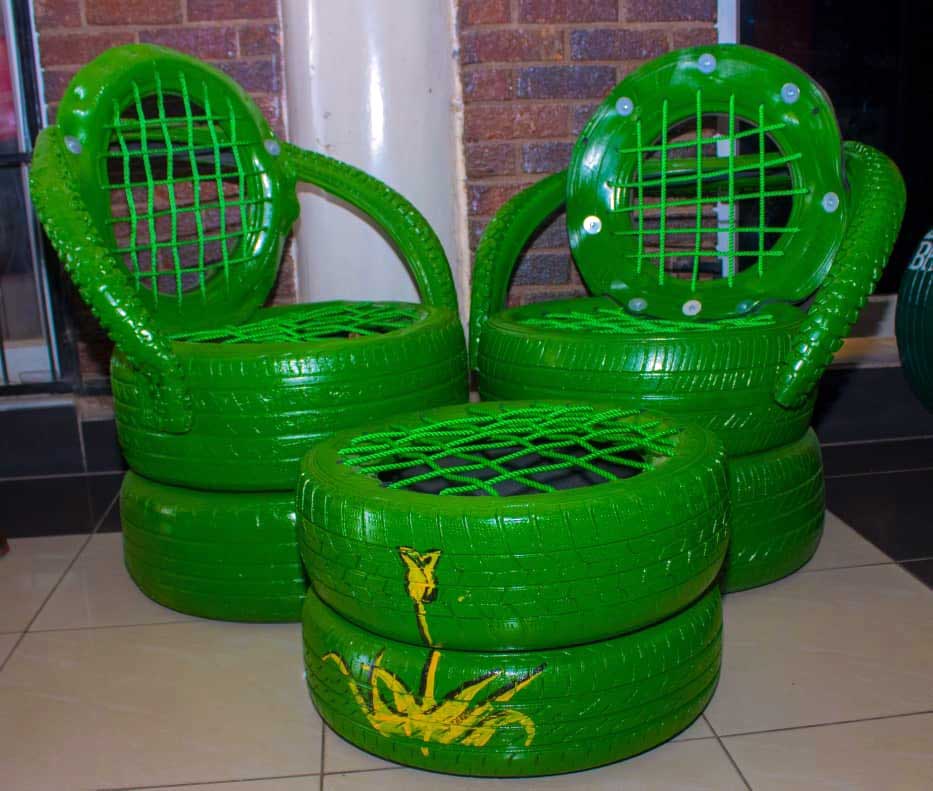
It is a small-scale art, but it completes a circle.
Carbon cleaned from engines, tyres rescued from dumping sites, a livelihood stitched together from the things others throw away.
The WCoZ workshop was right to sense that a shift is underway.
Around Mutare, women are entering trades that their mothers would have been steered away from, not by law but by a quiet, insistent social gravity.
Hughes is not a campaigner by temperament. She simply does the work.
In doing so, she makes the case for a broader truth: that talent is distributed evenly, but opportunity and permission are not.
An engine does not care who services it. Neither, it turns out, does a well-made coffee-table.