






by BERNARD CHIKETO
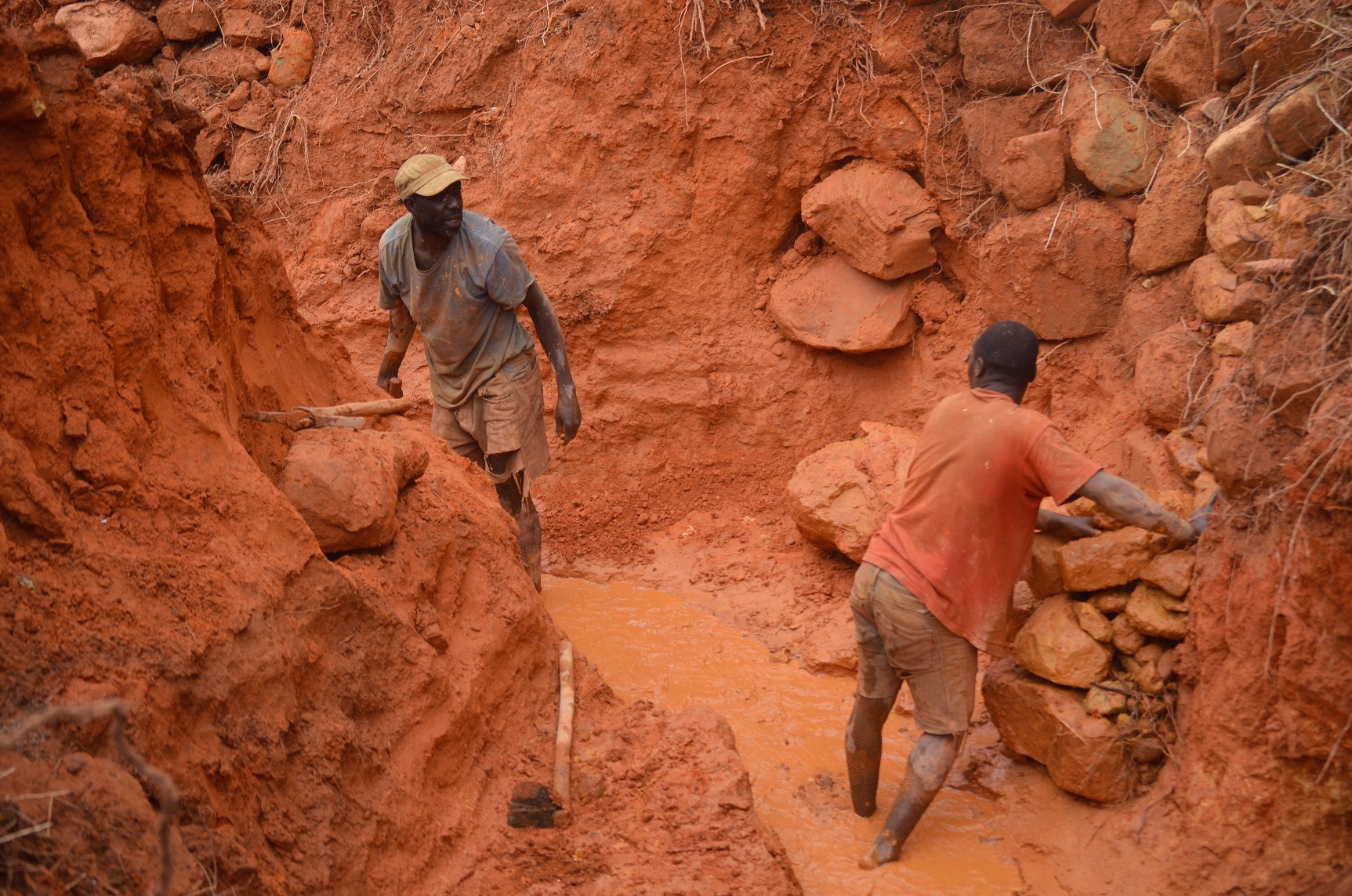
When government declared a state of disaster last week to rehabilitate the country’s ravaged river systems, it offered a rare admission: mining, both legal and roving, has brought ecological catastrophe to seventeen major waterways.
The question now is whether the cure will prove as damaging as the disease.
The declaration, published on June 2nd in an extraordinary government gazette, covers rivers including the Mazowe, Save, Sanyati, Haroni, Mutare and Umzingwane—waterways that have become conduits for silt, heavy metals and biological collapse.
Haroni is also in Chimanimani Unesco Biosphere Reserve.
Years of poorly regulated alluvial mining have left them unrecognisable. Biodiversity has withered. Flows have been altered. In some stretches, the water runs red with mud.
All of this is true. None of it is new.
What the Centre for Natural Resource Governance (CNRG), a Harare-based watchdog, fears is that the disaster declaration may inadvertently become a charter for further exploitation.
The concern is not unfounded. Zimbabwe has history.
In previous years, permits ostensibly issued for “rehabilitation” and “restoration” have been used to extract commercial quantities of minerals from sensitive ecosystems.
The cycle is predictable: environmental crisis, urgent intervention, private access, fresh degradation.
“The rehabilitation programme must not become a vehicle for resource extraction disguised as environmental restoration,” the CNRG warned in a statement this week.
The technical demands of genuine river restoration are formidable.
Hydrological modelling. Geological surveys. Ecological baseline assessments. Long-term monitoring. These are not skills that mining companies, however well-intentioned, typically possess.
And where commercial interests in riverbed extraction already exist, the temptation to treat a disaster declaration as a drilling permit may prove irresistible.
The CNRG has called for clear public criteria governing rehabilitation activities, independent environmental assessments, meaningful community participation, and multi-stakeholder oversight that includes academics and civil society.
It has also proposed something more pointed: that any company with a history of alluvial mining should be subjected to rigorous due diligence before being allowed anywhere near a rehabilitation site.
None of these safeguards is legally binding—yet. And in a country where weak regulation and inadequate enforcement created this mess in the first place, the gap between a noble declaration and a corrupt outcome can be too close to call.
Zimbabwe’s rivers are not merely scenery. They are sources of drinking water, livelihoods, and cultural heritage.
The state of disaster has rightly recognised an emergency.
Whether it becomes an opportunity for a heist, or for genuine healing, will depend on transparency and accountability. Neither has historically been Zimbabwe’s strong suit.
Do you have a story to share? Email bchiketo@gmail.com