




by STAFF WRITER
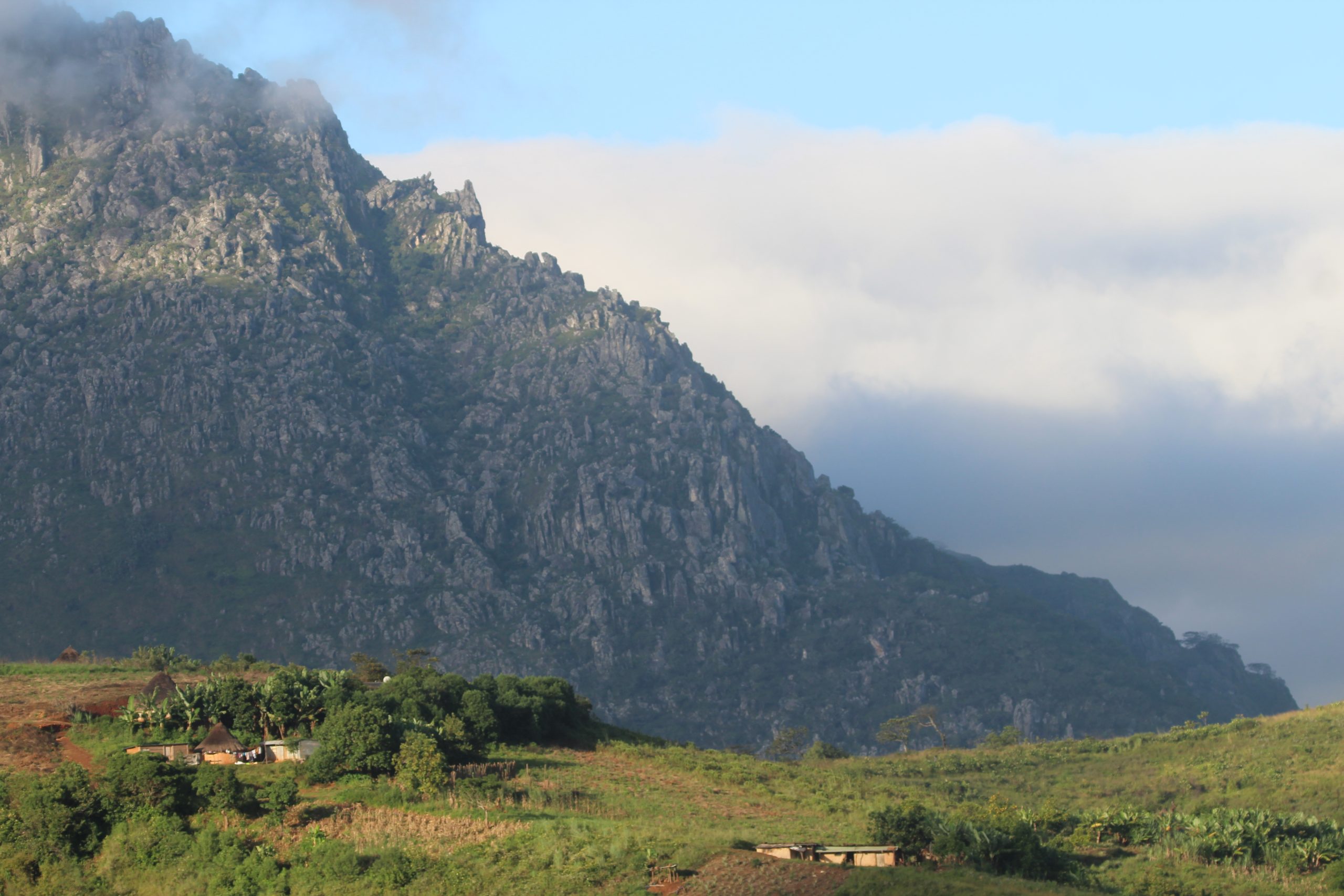
FROM the quartzite peaks of Mount Binga to the Rusitu river valley far below, this corner of eastern Zimbabwe has long been a laboratory in the hardest of sciences: survival.
When Cyclone Idai struck in 2019, it killed over 700 people, washed away crops across nearly 800,000 hectares and demonstrated how deforestation had turned hillsides into watery weapons.
Yet the same landscape, designated a UNESCO biosphere reserve in 2022, is now a quiet test of a contrary idea: that the communities living in the world’s most fragile ecosystems are not the problem but part of the solution.
That idea is expanding.
On June 5th, World Environment Day, UNESCO added 14 new biosphere reserves to its global network, bringing the total to 797 sites across 145 countries.
Three countries—Montenegro, Timor‑Leste and Aruba—joined for the first time, with Aruba becoming the second nation to have its entire territory designated.
The 38th session of the Man and the Biosphere (MAB) Programme’s International Coordinating Council, held in Hernandarias, Paraguay, approved the additions, which span every inhabited continent.
“Living laboratories”
UNESCO’s biosphere reserves operate on a simple premise: conservation and development need not be traded off against each other.
Khaled El‑Enany, the agency’s director‑general, said the designations “span every continent showing the full range of what it means to live in harmony with nature”.
The new sites include Portugal’s Serra da Estrela, home to more than 3,000 species and 26 endemics; Cameroon’s Takamanda National Park, a sanctuary for the Cross River gorilla; and Iran’s vast Dalankuh‑Qamishlou region, which spans nearly 875,000 hectares.
For the first time, a whole city has been recognised: Québec City, whose 550,000 inhabitants now live within a designated biosphere reserve.
The move reflects a growing recognition that urban areas can, with careful management, serve as models of sustainable living.
Zimbabwe’s stake
Chimanimani is one of two biosphere reserves in Zimbabwe, the other is Middle Zambezi.
Covering 345,014 hectares, it rises from 300 metres in the Rusitu valley to over 2,400 metres on Mount Binga, creating a steep environmental gradient that supports six key biodiversity areas rich in endemic plants.
Its 154,000 inhabitants, from Ndau to Ndebele, harvest honey and wild fruits, tend livestock and farm crops—activities that now sit alongside scientific monitoring and climate adaptation projects.
The reserve is also an active partner in a UNESCO project using southern African biosphere reserves as observatories for climate change.
That work builds on local knowledge: farmers who devised ways to reclaim land after Cyclone Eline and contributed to forecasting methods later used to predict Cyclone Idai.
A growing network
With the additions, the World Network of Biosphere Reserves now protects more than 13 million square kilometres of terrestrial and marine ecosystems, contributing to the global Kunming‑Montreal target of conserving 30% of land and sea by 2030.
Since the MAB Programme was launched in 1971, biosphere reserves have operated as what UNESCO calls “living laboratories”—places where biodiversity conservation, scientific research and the needs of local communities are managed together.
Other new reserves include Albania’s Lake Skadar, the largest lake on the Balkan peninsula; Mongolia’s Tost Toson Bumbiin Nuruu, a mountain range in the Gobi Desert; and Vietnam’s Phong Nha‑Ke Bang, already a UNESCO World Heritage site.
Territorial extensions were also approved for five existing reserves in China, Italy and Spain.
The road ahead
Back in Chimanimani, the designation has brought more than a plaque.
It has opened access to international research networks, disaster‑resilience funding and a framework for managing land use conflicts that have simmered for generations.
The question now is whether this quiet experiment can be scaled.
As climate change intensifies cyclones and droughts across southern Africa, the reserve’s success—or failure—will be watched far beyond its mist‑shrouded peaks.
UNESCO’s expansion of its biosphere network suggests that, at least in the agency’s view, the answer lies not in building higher walls, but in giving communities a stake in what lies beyond them.
Do you have a story to share? Email bchiketo@gmail.com