






by BERNARD CHIKETO
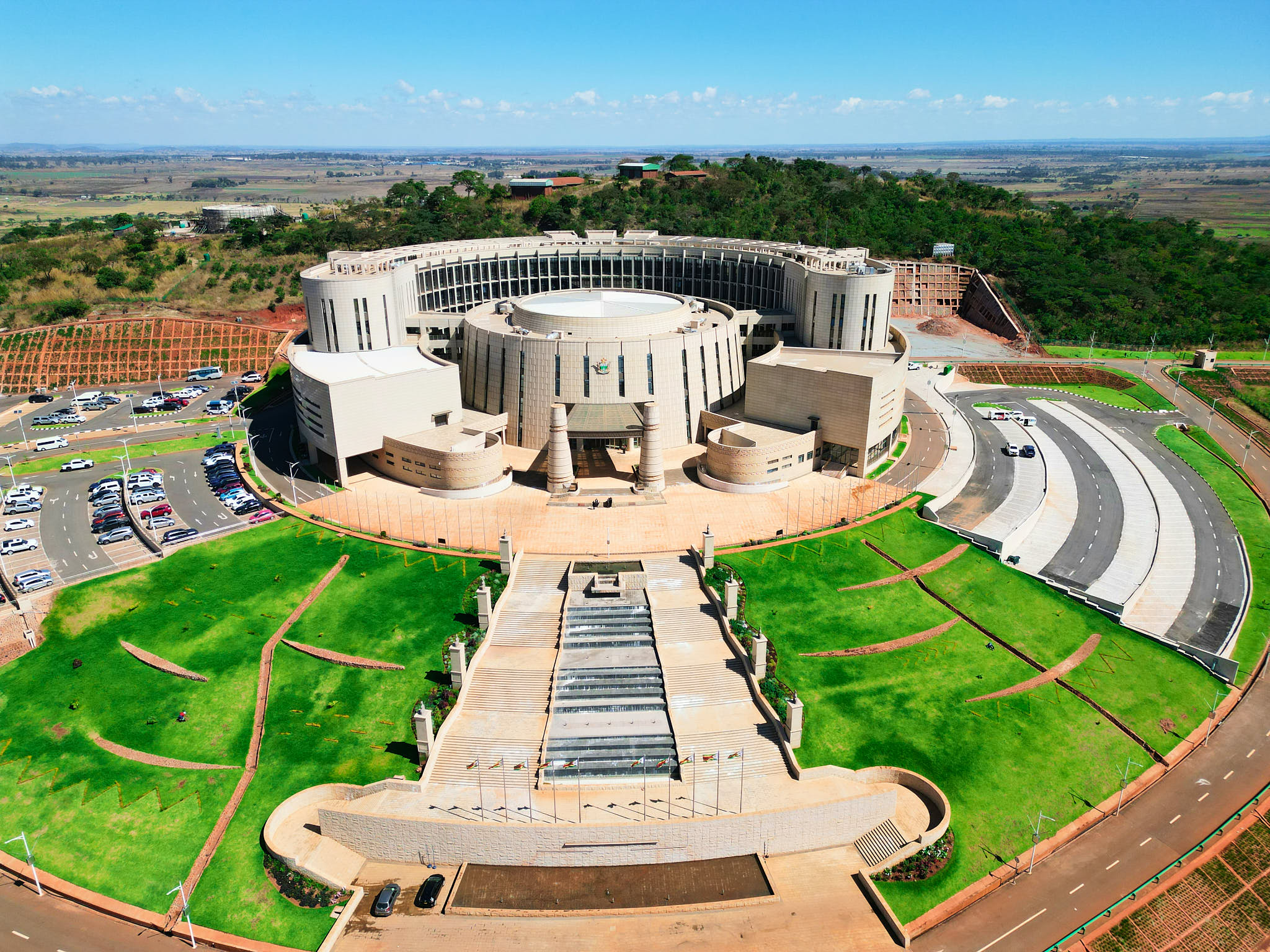
ON JULY 6th the Buhera Residents Network Trust (BRNT), a community group from rural Manicaland, did what Zimbabwe’s constitution encourages citizens to do: it appeared before Parliament’s Portfolio Committee on Environment, Climate and Wildlife to present evidence.
Its testimony detailed alleged environmental degradation, contaminated water sources, excessive water abstraction, unsafe working conditions, dust pollution and community displacement linked to Sabi Star, a lithium mine operated by Max Mind Investments, a subsidiary of China’s Shenzhen Chengxin Lithium Group.
Within days, a senior government official publicly issued a threatening statement against the organisation and its representative.
Four civil-society groups—the Centre for Natural Resource Governance, the Zimbabwe Diamond Workers Union, the Centre for Peace Research and Development in Africa, and the Zivai Community Empowerment Trust—have now condemned what they call a “brazen attempt to discredit and intimidate citizens for presenting evidence before Parliament”.
The incident cuts to the heart of Zimbabwe’s constitutional order. Section 119 of the constitution obliges Parliament to protect the constitution and promote democratic governance.
Section 67 guarantees citizens the right to participate in political processes and influence government policy. Section 73 guarantees every person the right to an environment not harmful to their health. And the Parliamentary Privileges, Immunities and Powers Act explicitly protects the integrity of parliamentary proceedings, ensuring that witnesses can give evidence freely, without interference or intimidation.
The coalition argues that this is not a personal grievance. The issues raised—compliance with environmental, labour and mining laws—are matters of profound public interest that warrant thorough investigation.
Yet when a community that has already suffered displacement and environmental harm speaks truth to power, it is met with threats.
The chilling effect extends beyond one organisation.
If citizens cannot approach parliamentary committees without fear of reprisals, other communities will think twice before reporting environmental abuses, labour violations or governance failures.
Parliament’s oversight function—already fragile in a country where the ruling party dominates most institutions—depends on the willingness of ordinary Zimbabweans to speak freely.
The four groups have called on the Portfolio Committee to proceed with a comprehensive investigation, including site inspections and public hearings.
They have urged the Speaker of Parliament to protect witnesses from harassment or retaliation. And they have reminded public officials that differences with evidence should be addressed through facts and lawful processes, not threats.
“Communities living alongside mining operations are not enemies of development,” the statement reads. “They are constitutional rights holders entitled to safe environments, meaningful participation in decisions affecting their lives, and access to effective remedies.”
Responsible mining, the groups insist, cannot exist without transparency, accountability and respect for human rights.
Zimbabwe is rich in lithium, a metal critical to the global energy transition. Foreign investment is welcome—but not at the cost of silencing those who bear its costs.
The government’s response to the BRNT’s testimony will be a test of whether Zimbabwe’s constitution means what it says.
Do you have a story to share? Email bchiketo@gmail.com