






by BERNARD CHIKETO
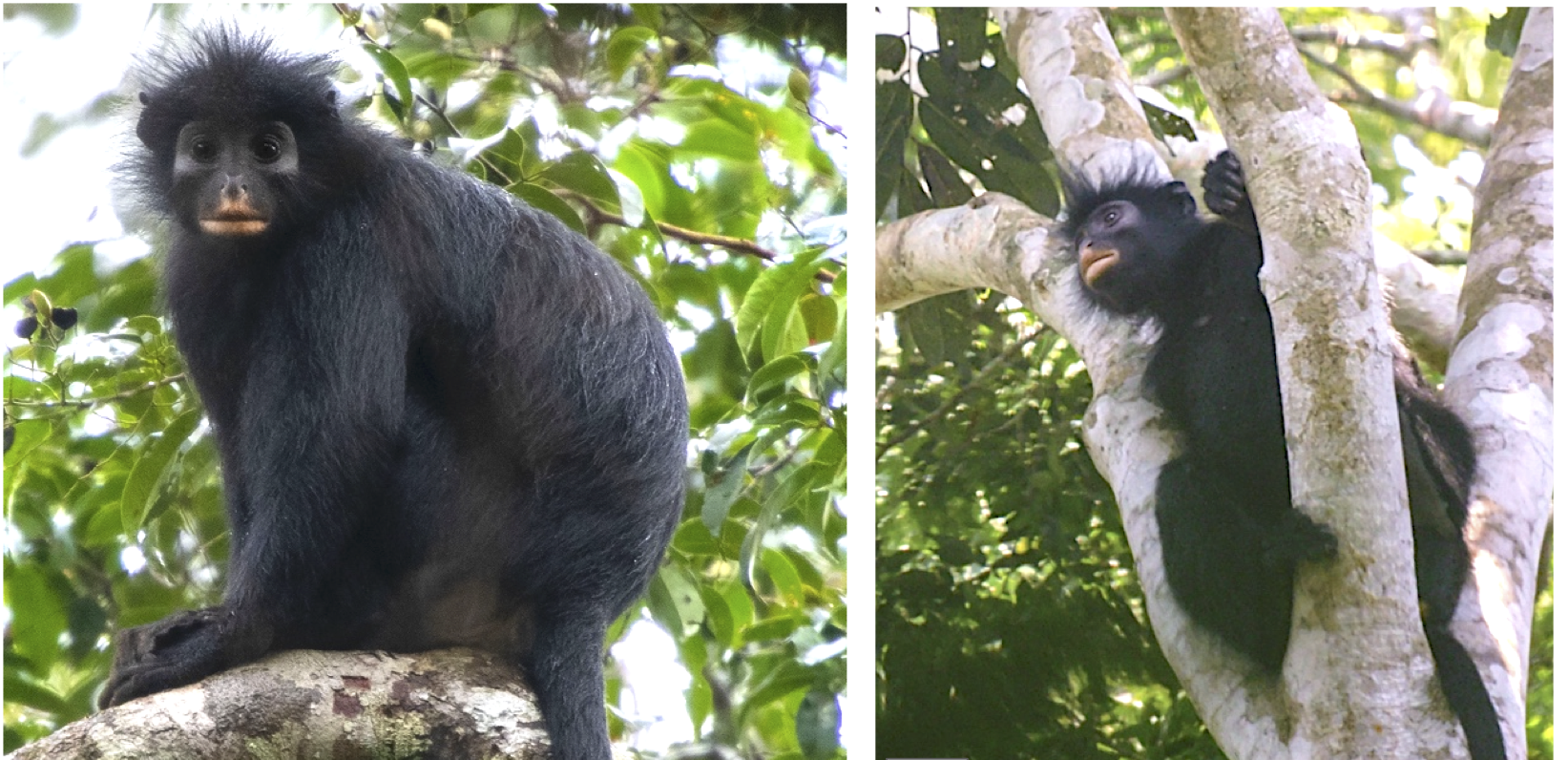
IN THE forests of eastern Congo lives a monkey with black fur, a black face and pinkish-orange lips. Locals call it Likweli.
Scientists have just given it a Latin name: Colobus congoensis. It is the fifth new African monkey species described in 75 years.
The discovery, published in PLoS One, began in 2008. Conservationists in Lomami National Park took a blurry photograph of an unknown primate. A second sighting came in 2018. Then an international team moved in with audio recorders, cameras and genetic tools.
Junior Amboko, a PhD student at Florida Atlantic University, led the search. “It was an amazing feeling,” he told the BBC, “to look into the face of an animal that so few people knew existed”.
The claim requires unpacking.
Known and unknown
“Discovering” a species, in scientific terms, means formally recording and confirming its genetic distinctness. It does not mean the animal was unknown to everyone.
Some Congolese already knew it. They gave it a name: Likweli. The researchers visited 52 villages near the monkey’s range. Only people in eight villages had ever seen it. The animal is shy and lives high in the trees.
But where it was known, it was known by name.
This pattern is old.
In Africa, colonial explorers and later scientists have long announced “discoveries” of things locals had known for generations. Animals. Plants. Even peoples.
The discoverer arrives, documents, publishes and claims the find. The local name becomes a footnote, if it appears at all.
Here the researchers kept the local name as the common name. That is better than most. But the framing remains: a monkey “hiding”, a species “found”, an animal “so few people knew existed”.
The scientists knew it existed only after photographs and genetic tests. The Balanga people who named it Likweli needed neither.
Not complete
The discovery is not finished. The researchers still have many questions. They do not know how many Likweli exist. They plan more surveys. The monkey’s range is small—perhaps 1,700 square kilometres of forest between the Lomami and Lilo rivers.
It may already be endangered.
Hunters kill it for meat. The researchers hope that formal classification will bring protection. Whether that happens depends on the Congolese authorities, not on a Latin name.
For now, the pinkish-orange lips are a reminder. Science catches up with local knowledge. Slowly. Sometimes belatedly. And always with a delay that says more about who holds the pen than about what exists in the forest.
Do you have a story to share? Email bchiketo@gmail.com