





by BERNARD CHIKETO
ZIMBABWE has turned its tourism sales pitch towards Australia, betting that one of the world’s most travelled populations can be persuaded to look beyond the familiar safari circuit and linger a little longer in southern Africa.
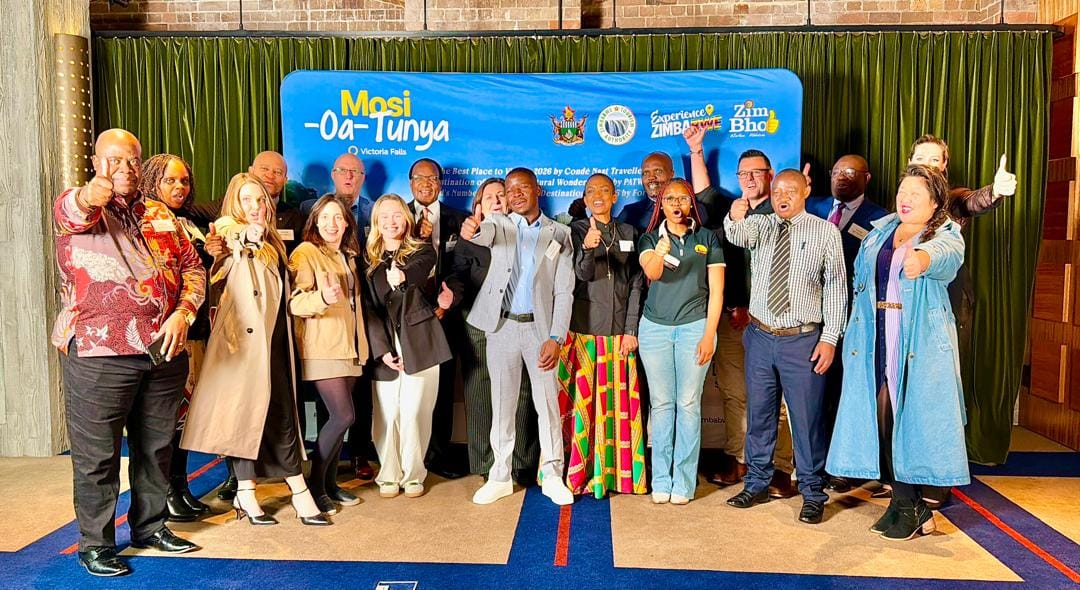
More than 50 Australian tour wholesalers, operators and travel agencies gathered at Sydney’s Ace Hotel this week for a tourism industry roundtable organised by Zimbabwe’s Ministry of Tourism and Hospitality Industry, the Zimbabwe Tourism Authority (ZTA) and the Zimbabwean Embassy in Australia.
The event formed part of Harare’s broader effort to diversify its visitor markets and strengthen its position in the competitive long-haul tourism economy.
Speaking to industry executives, Zimbabwe’s Minister of Tourism and Hospitality Industry, Barbara Rwodzi, framed the country’s tourism drive within President Emmerson Mnangagwa’s engagement and re-engagement policy, repeating the now familiar refrain that Zimbabwe is “Open for Business” and “a Friend to All and an Enemy to None.”
The message was as much commercial as diplomatic. Australia remains a relatively small but potentially lucrative source market, with travellers known for taking longer holidays and spending more than average on international trips.
Winning even a modest share of that market would help Zimbabwe reduce its dependence on traditional visitor sources while expanding its footprint in Asia-Pacific.
Minister Rwodzi presented Zimbabwe not simply as the home of Victoria Falls but as a destination capable of offering a broader portfolio of experiences.
Alongside established attractions such as Great Zimbabwe, Lake Kariba, Hwange National Park and the Eastern Highlands, she promoted newer tourism products built around rural communities, religious pilgrimages, cultural heritage, sport and community-based tourism.
The minister urged Australian operators to market itineraries that encourage visitors to stay longer, arguing that extended visits generate greater local spending and spread tourism’s economic benefits beyond the country’s flagship attractions.
Zimbabwe is also looking to sport as a catalyst for future arrivals.
The country will jointly host the 2027 ICC Cricket World Cup with South Africa and Namibia, an event officials hope can be leveraged into combined packages blending international cricket with wildlife safaris and cultural experiences.
Accessibility, long regarded as one of Zimbabwe’s tourism constraints, also featured prominently in the discussions.
Minister Rwodzi highlighted ongoing improvements to road infrastructure and international air connectivity, pointing in particular to Air Zimbabwe’s planned Harare-London service, scheduled to commence on 22 July 2026. Officials believe the route will improve access for European and connecting international travellers while supporting broader tourism growth.
The Sydney engagement concluded with Zimbabwean music and cultural performances—a reminder that destinations increasingly compete not only on scenery but also on the stories they tell.
For Zimbabwe, the challenge now lies beyond the conference room. Tourism roundtables can open doors, but converting interest into bookings will depend on competitive air access, consistent marketing and confidence in the visitor experience.
In a global tourism market where long-haul travellers have no shortage of choice, persuading Australians to travel the extra miles to Zimbabwe will require more than spectacular waterfalls. It will require sustained follow-through.
Do you have a story to share? Email bchiketo@gmail.com