



The Save Valley Conservancy joins the Amazon and the Serengeti on the list of places the planet cannot lose
by BERNARD CHIKETO
ZIMBABWE has its first globally recognised Key Biodiversity Area.
Recently, the Save Valley Conservancy, a 3,000-square-kilometre private reserve in the south-eastern lowveld, was confirmed as Site ID 201824 under criteria A1a, A1c and A1d for threatened species.
It now sits on the World Database of Key Biodiversity Areas alongside the Amazon and the Serengeti.
Key Biodiversity Areas are not beauty spots. They are sites that contribute significantly to the global persistence of biodiversity. Losing them would be more than a shame. It would be a permanent loss.
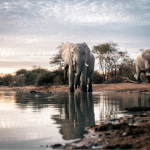
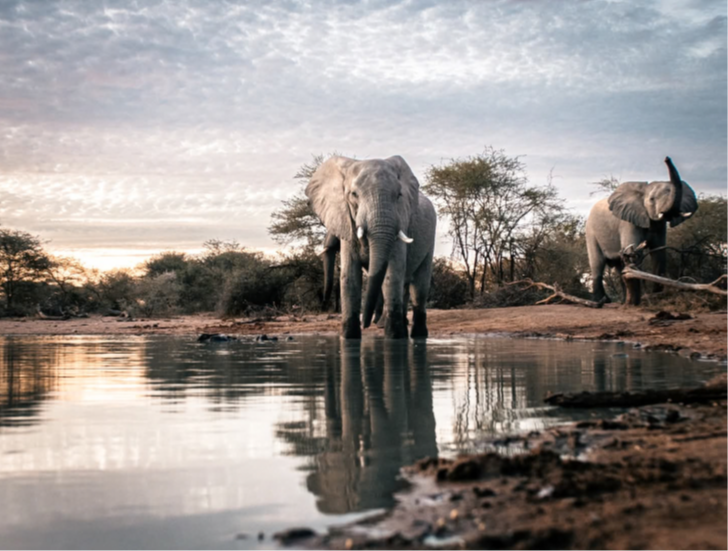
The conservancy is a stronghold for four threatened species: the white-backed vulture, critically endangered; the African savanna elephant, endangered; the African wild dog, endangered; and the lion, vulnerable.
It is already one of Africa’s largest private conservancies and home to one of the continent’s biggest rhino populations.
The new status confirms what its managers have long argued: this landscape is globally irreplaceable.
It was not an overnight success.
BirdLife Zimbabwe’s Preventing Extinctions Programme, led by Leeroy Gerald Moyo and Benhildah Antonio, worked with BirdLife International’s Fred Barasa, the SVC management team and ranch managers who kept the data—and the dream—alive.
Their reward is not just a line in a database. KBA status opens the door to a new tier of international conservation funding, including the Global Environment Facility, the Critical Ecosystem Partnership Fund, KfW and the Bezos Earth Fund.
It gives the conservancy a stronger voice in national spatial planning and development decisions. It provides leverage against poaching and destructive development. And it contributes to Zimbabwe’s 30×30 commitments under the Kunming-Montreal Global Biodiversity Framework.
Designation, however, is not protection. A KBA label will not stop a drought, a mining licence or a bad road. It does make the trade-offs harder to hide.
Governments, donors and investors will now have to explain why they would damage a site the world has classified as essential. That is the value of the listing: it turns a local argument into a global one.
Leeroy Gerald Moyo calls it “both an achievement AND a responsibility.” He is right. Save Valley is no longer just a local success. It is a global priority.
The question that Birdlife Zimbabwe is asking now is which Zimbabwean site follows: Hwange, Mana Pools, Chimanimani, Victoria Falls, Chirinda Forest, Nyanga, Mavhuradona or Matopos.
Zimbabwe has always known its wild places are extraordinary. The world is beginning to know it too.
Do you have a story to share? Email bchiketo@gmail.com