







by BERNARD CHIKETO
IN THE rugged highlands of Manicaland, where the Odzani River carves its path through ancient rock, a quiet revolution is underway. For decades, Zimbabwe has been caught in a debilitating cycle of energy poverty, with power outages stifling industry and dimming homes for up to 18 hours a day.
The national grid, frail and overstretched, has been a notorious brake on economic development.
Yet, a solution is emerging not from massive, state-led projects, but from the province’s most abundant natural asset: its flowing rivers. Here, a compelling model is taking shape, one that demonstrates that ecological stewardship, tourism, and development are not mutually exclusive but can be powerful allies.

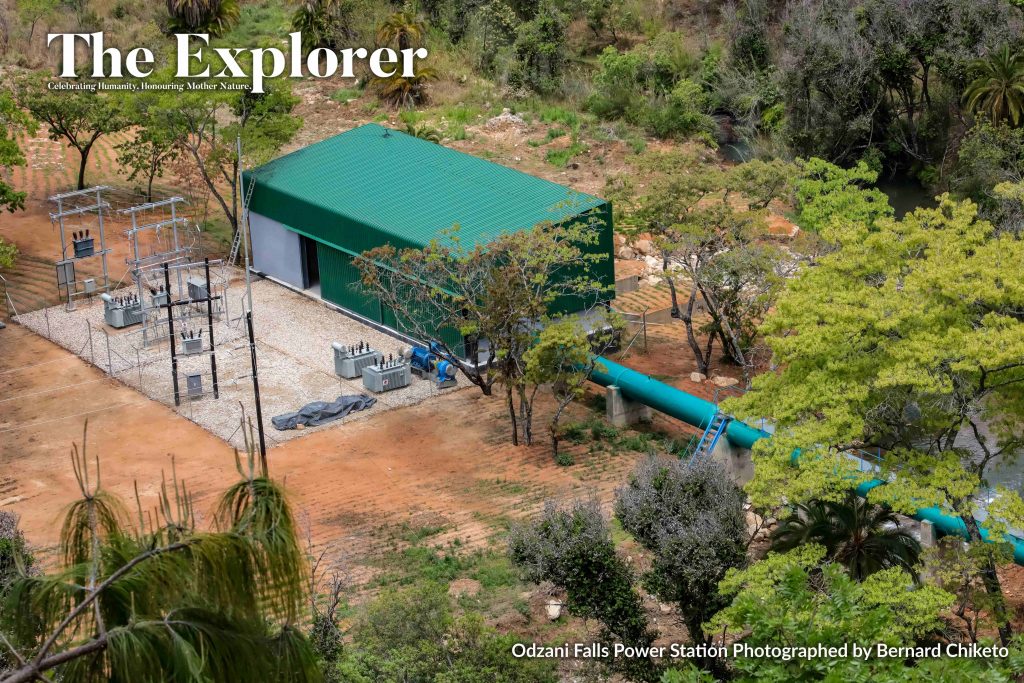
The nearly complete Odzani Falls Power Station in Penhalonga is the latest and most eloquent testament to this synergy. Owned by Penhalonga Energy (Pvt) Ltd, the project is a masterclass in subtle engineering. Rather than damming the river into a stagnant reservoir, the developers have constructed a modest weir upstream.
This structure gently lifts a portion of the river’s flow into a canal, leaving the majestic Odzani Falls themselves largely untouched. The diverted water then drops through a penstock, gathering kinetic energy before spinning three turbines in a powerhouse discreetly located below the falls.
This 910-kilowatt (nearly 1-megawatt) generator is a monument to sustainable design.
The genius of this approach lies in its minimal footprint.
The falls, a natural tourist attraction, remain the star of the show. The infrastructure is tucked away, ensuring that the visual and auditory drama of the cascading water is preserved for visitors.
This proves a critical point often lost in development debates: renewable energy projects, when thoughtfully planned, need not despoil the landscapes they seek to empower.
Instead, they can enhance them by providing the reliable electricity needed to support a thriving tourism ecosystem—powering lodges, restaurants, and local amenities without the smoke and din of diesel generators.
Engineer Victor Sibanda, a research and energy efficiency engineer at the Zimbabwe Energy Regulatory Authority (Zera), is a vocal advocate for this localised power generation.
“As Zera, we are calling local and international investors to invest in hydro power generation,” he asserts, highlighting Manicaland’s significant potential. “Mini-hydropower projects offer localised power generation solutions that can mitigate these challenges.”
His argument is one of economic pragmatism. By harnessing the perennial flow of rivers like the Odzani, communities and local industries can create pockets of energy resilience, insulating themselves from the failures of the central grid and fostering a more stable environment for business.
The Odzani project is not a solitary pioneer. It joins a small but growing fleet of run-of-river plants in the province, such as the Nyakupinga facility in Nyanga and the Pungwe A and B stations in the Honde Valley.
Together, they form a decentralised network of clean power sources.
As Gashirai Nyandoro, the senior operator at Odzani, confirms, the electricity generated will be fed into the national grid, providing enough power for approximately 400 housing units and slightly easing the nation’s burden.
The lesson from Penhalonga is clear.
Zimbabwe’s path out of energy darkness is not lit by a single, colossal power station, but by a constellation of small, smart projects that work with the grain of nature.
The Odzani Falls Power Station stands as proof that development need not come at the expense of natural heritage. By tapping the steady, renewable pulse of its rivers, Zimbabwe can simultaneously secure its power, protect its tourist attractions, and power a more sustainable and self-reliant future.
It is a blueprint where progress is measured not just in megawatts, but in the harmonious coexistence of revenue and river.
Do you have a story to share? Email bchiketo@gmail.com