

by BERNARD CHIKETO
MY EARLIEST memories are not of city streets, but of the deep, loamy smells of the forest floor and the symphony of the wild.
I grew up in the countryside. The son of a man whose life was dedicated to the trees. My father was a forest ranger, later a forester, who walked the vast, arid landscapes of Zimbabwe’s Western Conservancy in the 1970s and later tended to the misty, gems of our Eastern Highlands.
His stories weren’t just tales; they were lessons.
He taught me mindfulness walking to survive Gaboon Vipers camouflaged on the forest floors and read the signs—the track of a duiker, the quill of a porcupine, and most importantly, the language of the birds. He would pause, hold up a hand, and say, “Listen, Bernard. The birds are the first to know.”
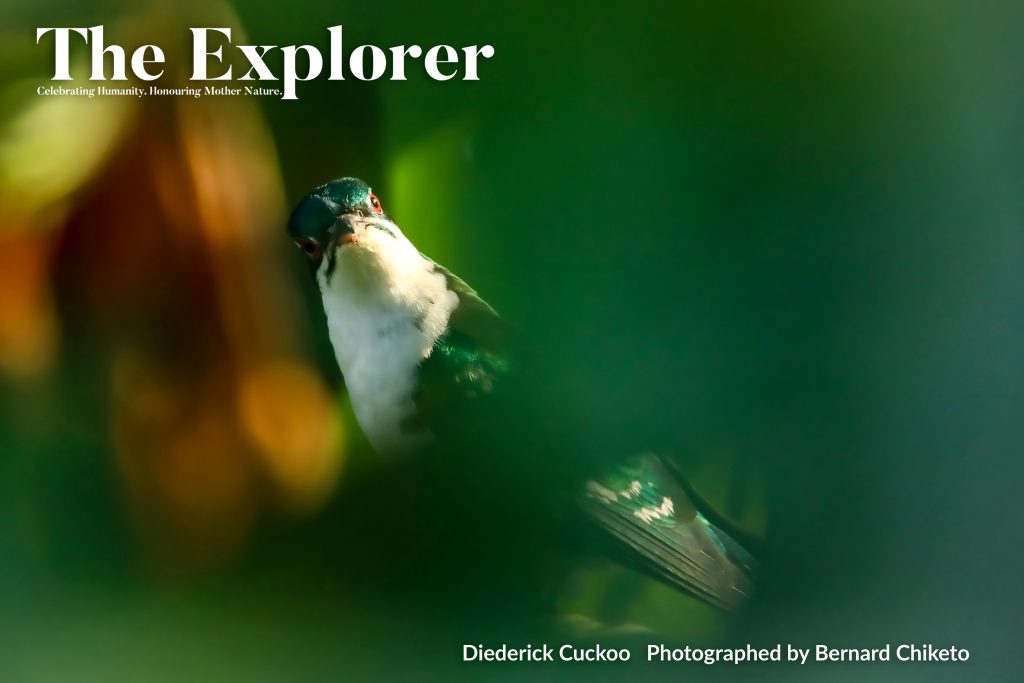
The arrival of Diederick Cuckoos in Zimbabwe announce the onset of the rainy season as these migratory birds are summer visitors to southern Africa.
That inherited passion, a torch passed from his weathered hands to my eager ones, is what drives me today.
Now, as a multimedia journalist and conservationist, I’ve spent the last two years with my camera as my notebook, documenting the avian life of Mutare.
I’ve logged over 150 different species within our city limits, from the ubiquitous chatter of the Bronze Mannikin to the rare, range-restricted jewels like Livingstone’s Turacos and Silvery-cheeked Hornbills, birds whose very existence is tied to the health of these highlands.
This voluntary mission has led me into snake-prone wetlands, through the rugged, overlooked valleys of Dangamvura, and into the quiet, sun-dappled corners of Cecil Kop Nature Reserve.
Documenting birdlife is an exciting labour of love, born from my father’s belief, now my own, that to understand the birds is to understand the very pulse of the land.
Birds are not merely inhabitants of an environment; they are its most vocal and vibrant vital signs.
Their presence, their population density, and their diversity are a real-time dashboard indicating the health of our ecosystems.
When I published my digital magazine, Mutare’s +120 Birds, featuring over 125 species with my own images, I wasn’t just creating a field guide. I was compiling a baseline health report for our urban environment.
This document, alongside my broader work on the Eastern Highlands – 175+ Eastern Highlands’ Winged Wonders – with contributions from bird photographers like Chris Cragg and Morgan Saineti, serves as a crucial snapshot in time.
If, in years to come, the raucous flocks of Silvery-cheeked Hornbills vanish or the intricate, woven nests of the Thick-billed Weaver, Village Weaver and Spectacled Weaver disappear from our riverbeds and gardens, we will have the data to sound the alarm.
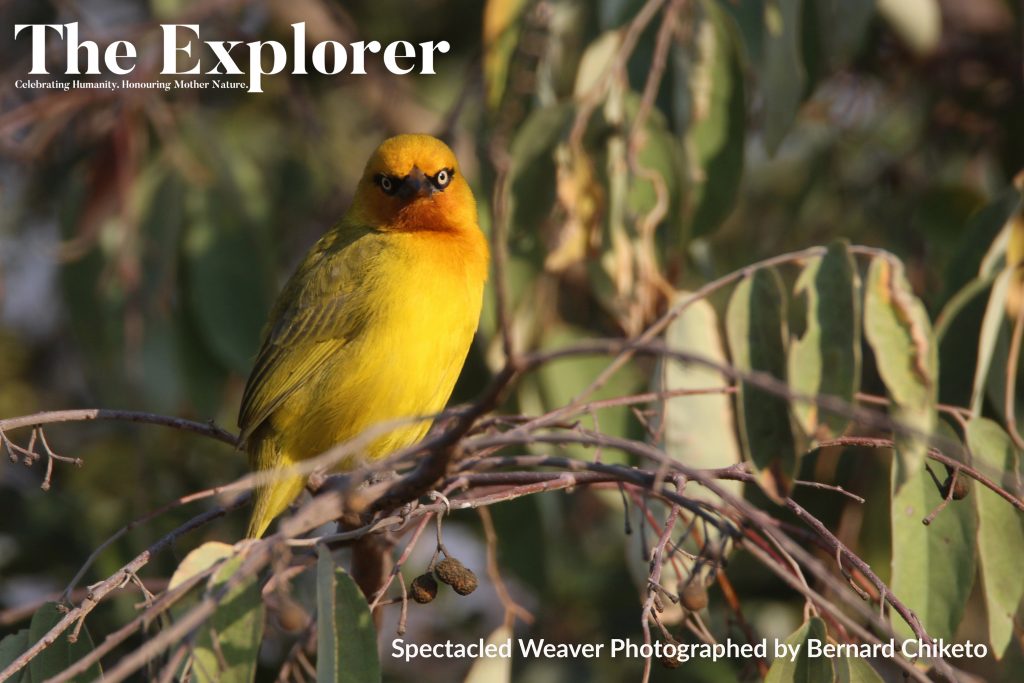
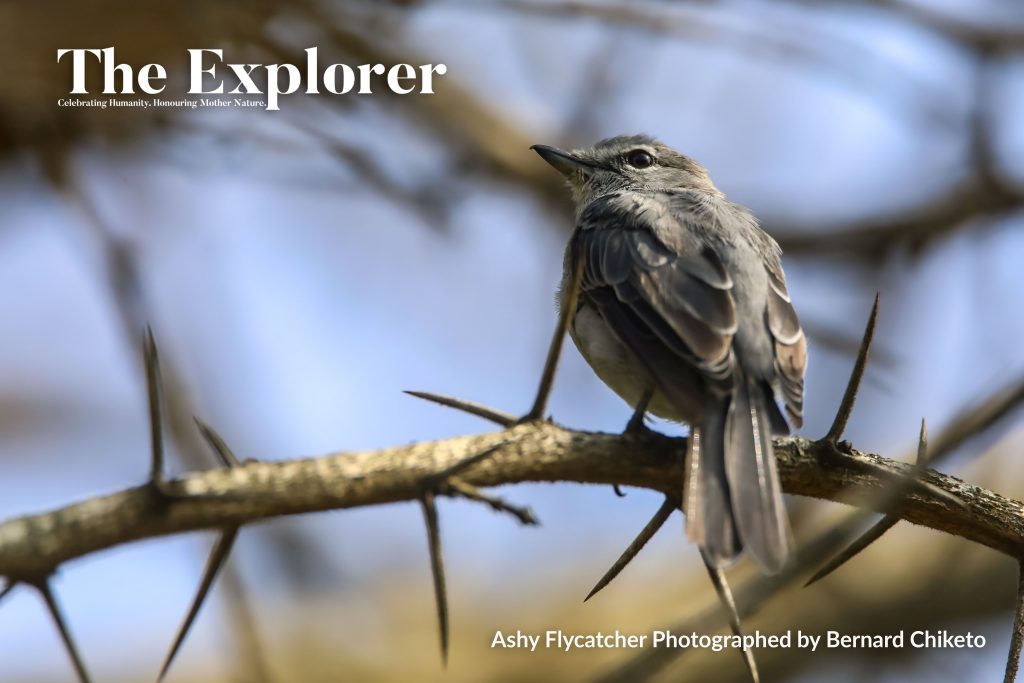
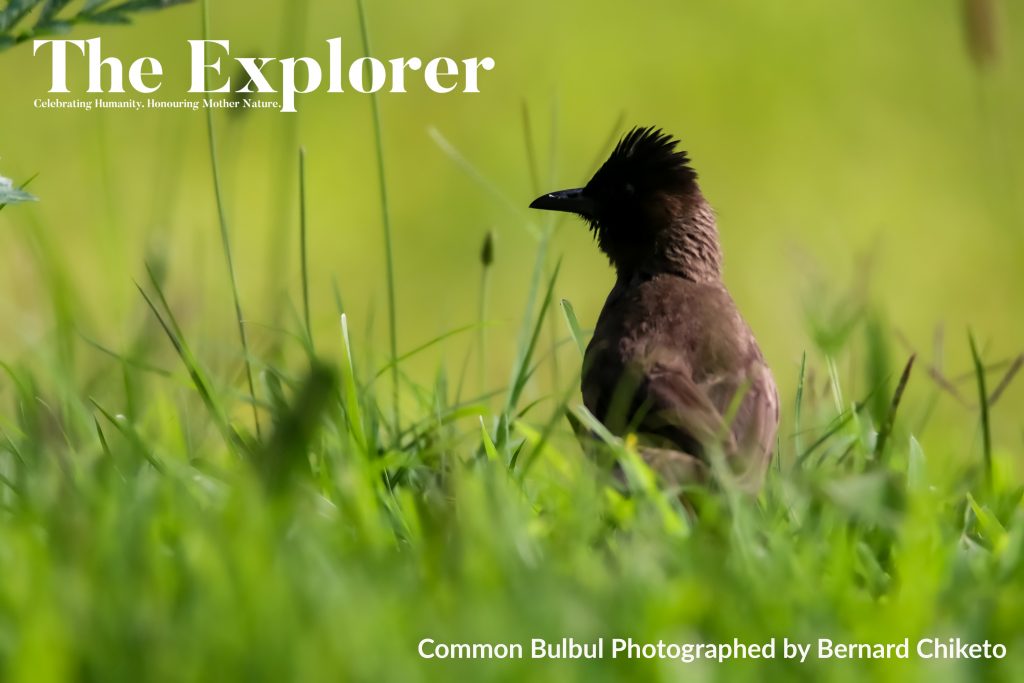
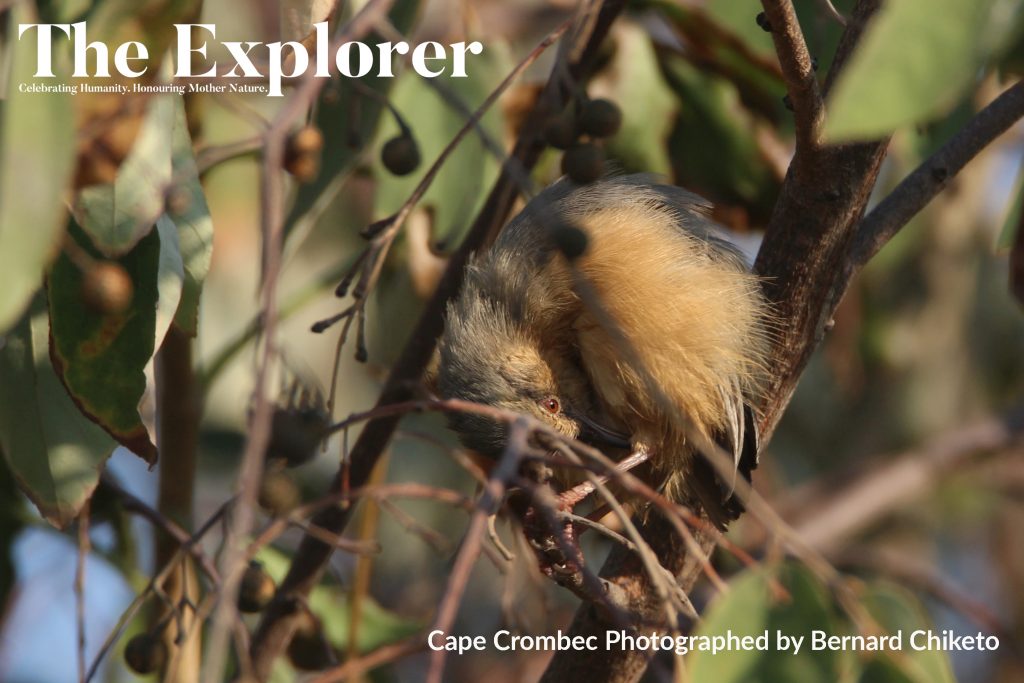
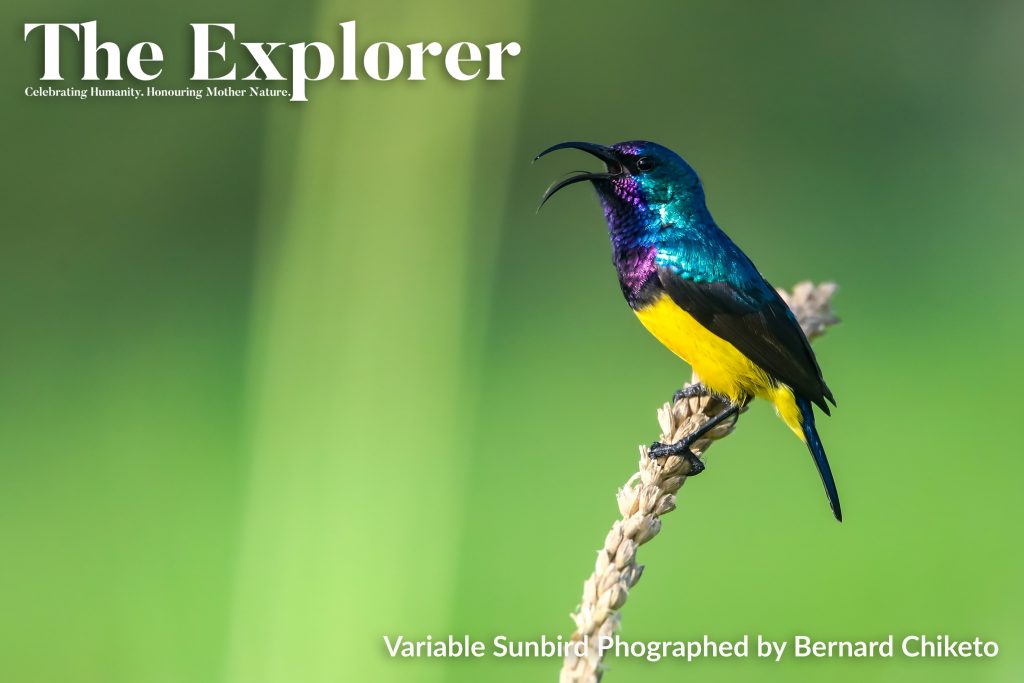
Their silence would speak volumes about a shift in water tables, the insidious creep of pesticides, or the fragmentation of their habitat or just plain simple poor urban planning.
This is why birding is far more than a pastime; it is a critical form of citizen science, a frontline tool in conservation.
Here in the Eastern Highlands, a globally recognised biodiversity hotspot, this monitoring takes on an urgency that resonates across continents.
The birds I photograph are not just subjects for a frame; they are active, indispensable players in the intricate drama of ecological balance.
They are the unseen force that allows our forests to breathe and our soils to remain fertile.
Let me take you into the field with me.
Watch a family of Fiscal Shrikes, those handsome, black-masked sentinels of the thornveld. They are not just singing; they are working. A single family can systematically decimate hundreds of grasshoppers, beetles, and even small rodents in a week.
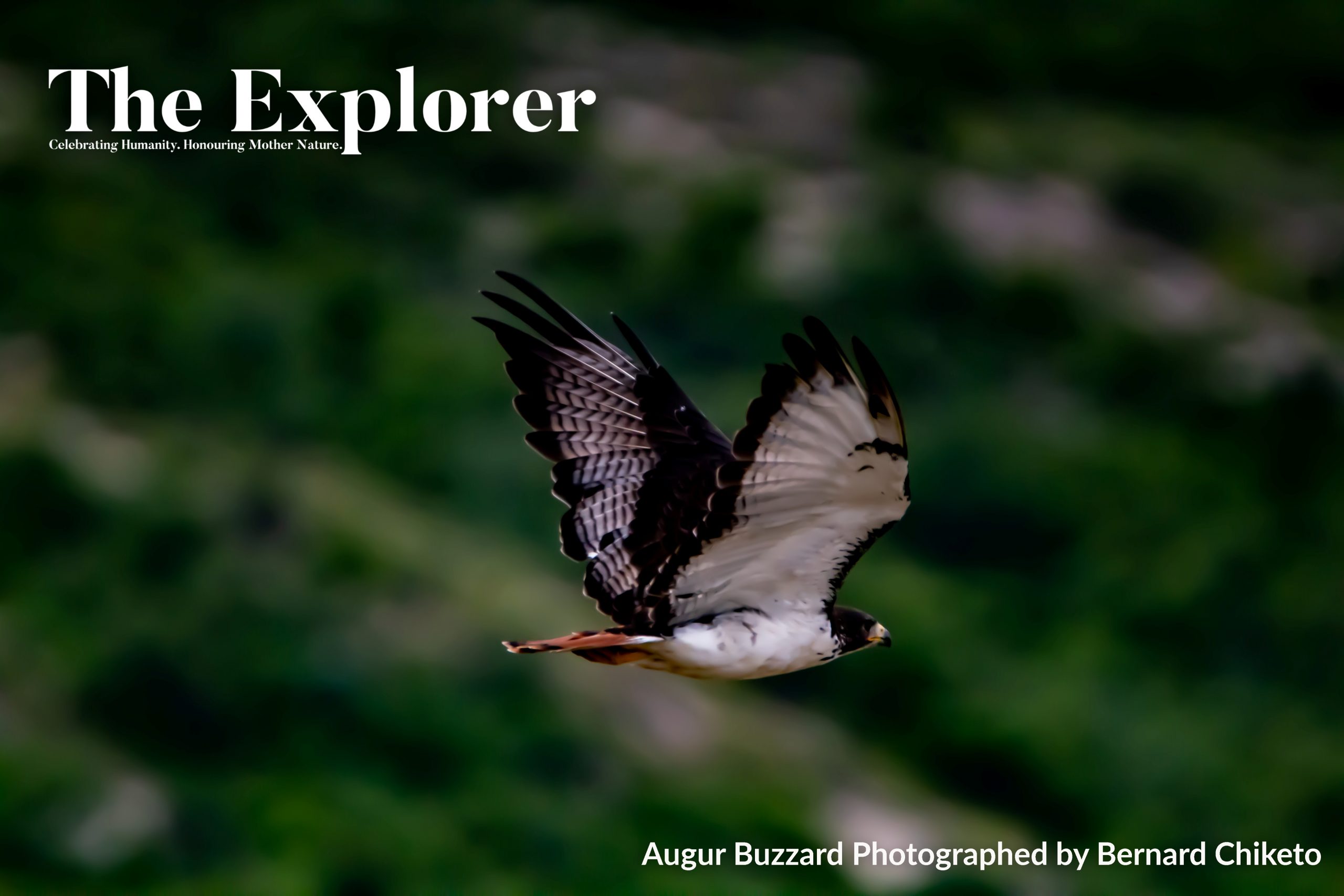
Shift your gaze upwards to the open grasslands, where an Augur Buzzard hovers with spectral grace. Its stillness is a deception, a prelude to a strike that maintains the delicate balance of our rodent populations.
And then there are the insectivorous armies—the swirling swallows, the methodical woodpeckers, the relentless cisticolas—that act as a natural, self-regulating pest control service, protecting both our native flora and our agricultural livelihoods.
Without these feathered custodians, our landscape would be a very different, and far less productive, place.
Yet, nature is not a hierarchy; it is a web.
It is a cycle of breathtaking interdependence and necessary sacrifice. For every predator, there is prey.
This is a lesson I learned not from my father’s stories, but from a heart-stopping moment in Cecil Kop Nature Reserve. I was tracking a pair of Peters’ Twinspot which flew away as I tip-toed for a better angle. As I set by camera bag on a bench just a metre from where the tiny beautiful birds were preening, a fluid, olive-green movement on the ground froze me. A Green Mamba, sleek and powerful, emerged from under the bench where my feet were planted.
It was also hunting the pair of Peter’s Twinspot.
In that tense, silent theatre, the entire food web was laid bare before my eyes. The snake, a predator I respect and cautiously avoid on my own excursions, is itself a vital component of this balance.
Ground-dwelling birds like francolins and guineafowl, along with their eggs and chicks, form a crucial part of the diet for many of our snakes, from forest floor residents like the Gaboon Viper to the arboreal Boomslang.
The chain extends even further.
The majestic Martial Eagle, a phantom of the deep forests, can pluck a monkey from the canopy, while the nocturnal Pel’s Fishing Owl is a silent terror to the aquatic life in our rivers.
To witness this is to understand a fundamental truth: there are no villains in this story, only participants in a cycle that has been refined over millennia.
The snake that I must be wary of is the same creature preventing a rodent explosion, which in turn protects the seeds that will become the trees that host the birds. So, even the feared Black Mamba is an angelic guardian of our forests.
This work has been my greatest teacher, extending far beyond ornithology. It has instilled in me a profound patience and a hard-won calm.
Waiting for a rare bird to flit into view, or for the golden light of dusk to ignite the throat of a sunbird, demands a stillness that modern life seldom affords.
During two-years marked by personal challenges, this enforced stillness became my sanctuary. The focused pursuit of an image became a form of active meditation, a tangible connection to a rhythm far older and more enduring than my own anxieties.
The Eastern Highlands is a treasure chest of irreplaceable life, and its birds are the glittering jewels. They are a world-class tourist attraction, drawing international birders who will travel across oceans for a glimpse of a species found nowhere else, bringing vital revenue to our communities.
But they are so much more.
They are our barometers, our pest managers, our seed dispersers, and our living heritage. They are the feathered thread that weaves together the entire tapestry of our ecosystem.
The chorus that greets the dawn is the heartbeat of our home, a pulse my father taught me to listen for, and a rhythm I am now dedicated to protecting, one photograph, one story, at a time.
Do you have a story to share? Email bchiketo@gmail.com