





In Zimbabwe’s eastern highlands, a banana giant is proving that a lucrative crop can coexist with a rich web of life.
by BERNARD CHIKETO
A FROG’S chorus is not the sound one expects to dominate a commercial fruit plantation.
Yet in the Matanuska banana farms that carpet parts of Burma Valley, in Zimbabwe’s eastern highlands, the persistent croaking is a point of pride.
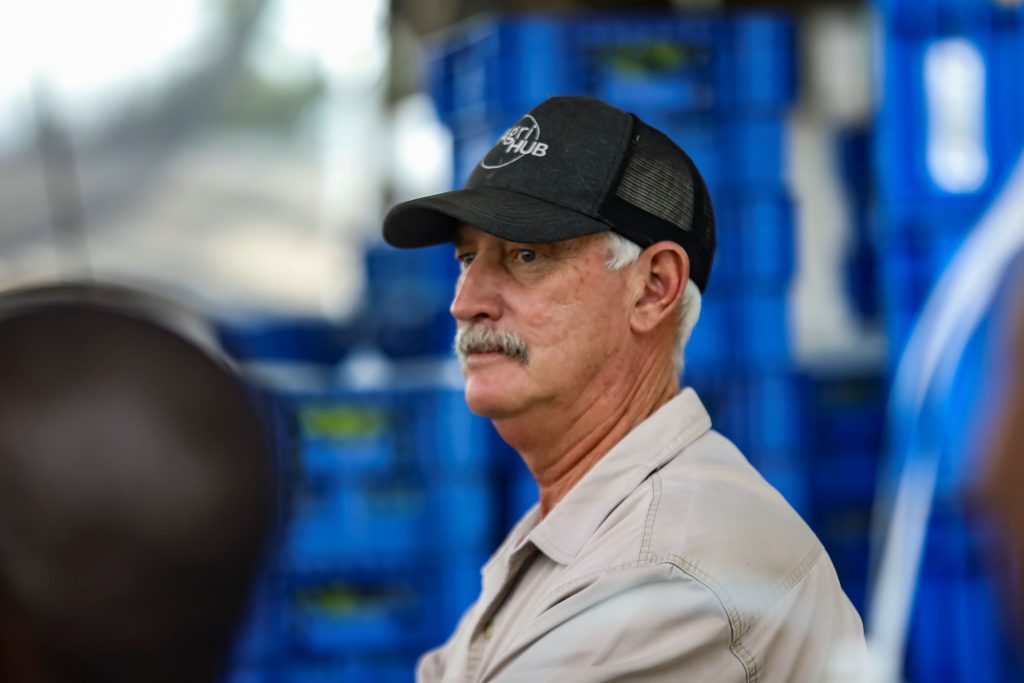
“We still have many frogs across our plantations,” says Barry Lenton, Matanuska’s operations manager.
To a conservationist, that is telling. Frogs, with their permeable skin, are acutely sensitive to chemical pollution; their presence is a reliable barometer of environmental health.
In a region where agriculture is a leading cause of biodiversity loss, the thriving frog populations in Matanuska’s fields suggest a different, sweeter story: that banana farming, when done with a light touch, can be a boon for both the economy and the ecosystem.
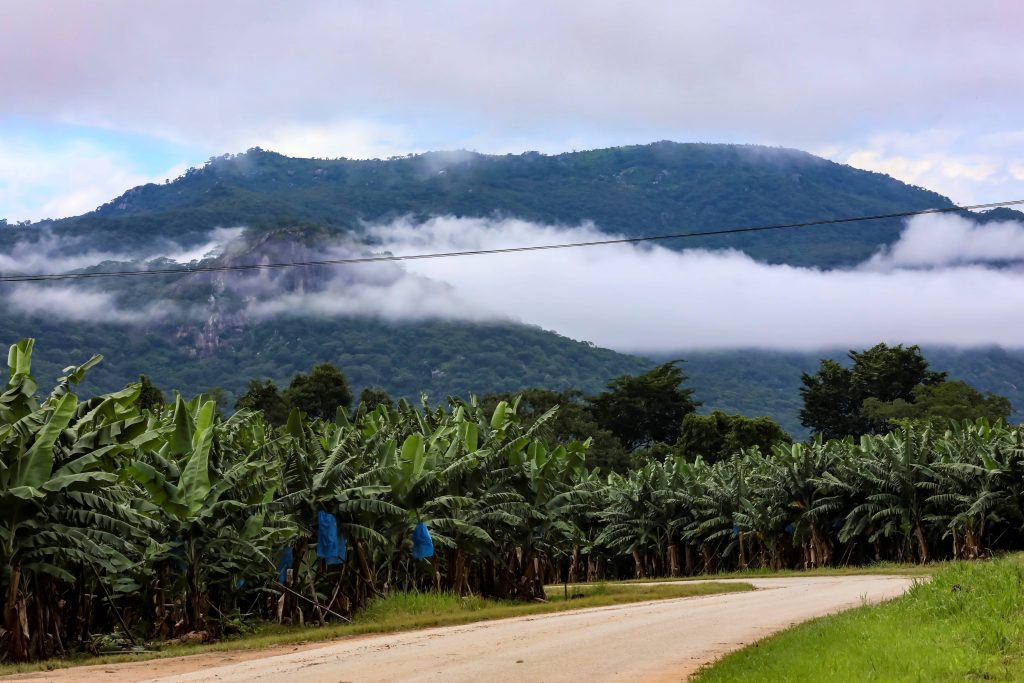
Burma Valley is a basin on the foot of Vumba mountain, in a landscape classified as an Important Bird and Biodiversity Area by BirdLife International.
This world‑renowned biodiversity hotspot is also, like much of Zimbabwe, under agricultural pressure.
The dilemma is stark: how to generate income and jobs without destroying the natural capital that makes the region unique.
Enter Matanuska, Zimbabwe’s largest banana producer.
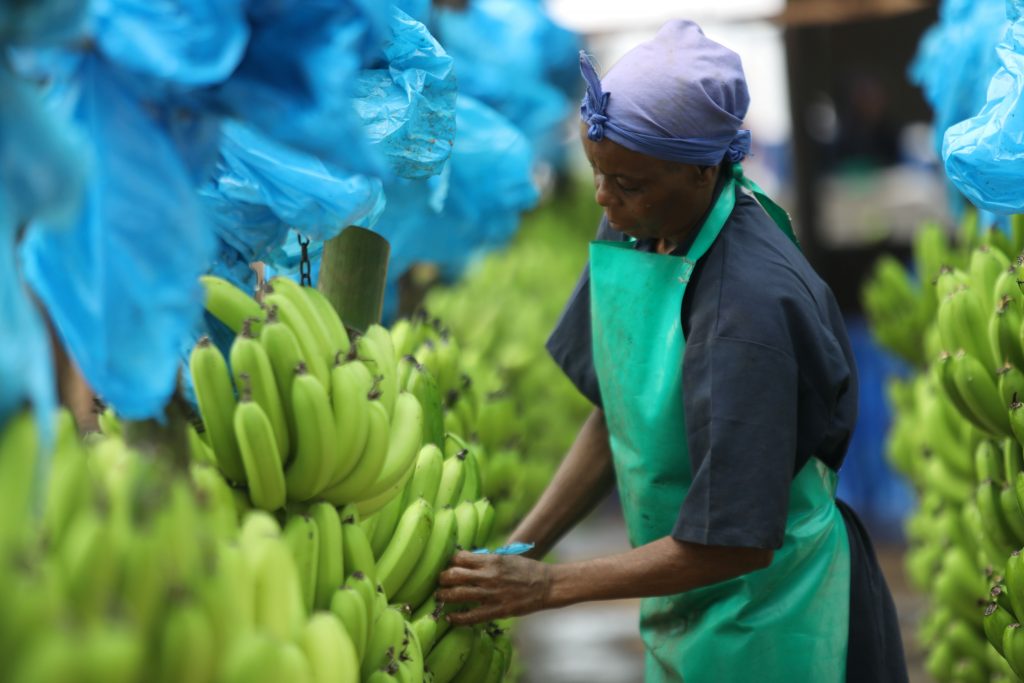
Founded in Burma Valley in 1964, the company now farms about 329 hectares in the valley and is planning a major expansion to 650 hectares over the next five years through joint ventures with local out-growers.
What sets its operations apart is a deliberate restraint in chemical use. “Banana farming does not rely on a lot of pesticides and antifungals,” Lenton explains.
This allows insects, and the whole web of life they support, to continue to thrive.
The contrast with other cash crops is striking. Lenton, who previously farmed maize, soya beans and tobacco in Mashonaland, notes that those crops “use a lot of pesticides and a lot of fungicides.”
In his banana fields, the chemical footprint is deliberately kept light.
This approach is a rare piece of good news for conservation in a country where agriculture is a primary driver of biodiversity decline.
Nowhere is that decline more evident than in the tobacco sector, which has also been gaining ground in Burma Valley.
Tobacco farming is notoriously destructive: it drives deforestation, soil degradation and, critically, biodiversity loss.
The heavy use of insecticides decimates insect populations, rippling up the food chain. The World Health Organization notes that tobacco cultivation exposes workers to nicotine levels equivalent to 50 cigarettes a day and to a cocktail of agrochemicals that are often poorly regulated in low‑income countries.
Against this backdrop, a crop that requires minimal pesticides and can support healthy frog populations is a refreshing alternative.
Bananas are not just environmentally benign; they are also economically viable.
According to a 2015 survey, Zimbabwe has over 3,255 hectares of suitable land in its eastern border region for banana production, with the potential to yield over 32,550 tonnes annually.
Ministry of Lands, Agriculture, Fisheries and Rural Development permanent secretary Professor Dr Obert Jiri speaking during a tour of Matanuska’s banana farms and out growers notes that the locally produced bananas have the best quality and huge market locally and internationally.

“Zimbabwe produces the best quality of bananas…we have a huge market in South Africa and across the country.” Prof. Dr. Jiri says.
This makes the crop critical to government plans to grow the horticulture industry as the country seeks to grow its economy to upper-middle income by 2030. “We are growing our horticulture industry to a US$2 billion industry and the banana value chain is key in that plan,” notes Prof. Dr. Jiri.
Matanuska alone produces about 9,000 tonnes, with small‑scale farmers contributing another 7,000 tonnes. Matanuska General Manager Crispen Manyuchi says the bulk of their produce goes to South Africa.

“We are exporting 60 % of our bananas to South Africa with the rest being sold locally… The South African market prefers our bananas for their taste, size and overall quality so we take a bulk of the market share there,” says Manyuchi.
In 2023 Matanuska scooped an award for the best quality ahead of other established farmers in South Africa which Manyuchi says affirms their status as the best banana producers in the region.
Agritex, the government’s agricultural extension service, has found that bananas are more profitable per hectare than tomatoes or maize. Manyuchi says the company produces 50 tonnes per hectares with earning of 25 cents per kilogram.
The crop offers a steadier income than tobacco, which is subject to volatile global prices and often traps farmers in debt‑ridden contract systems.
Matanuska’s planned expansion, therefore, is not merely a business decision; it is a potential lifeline for the region’s ecology.
By bringing more land under low‑input banana production through contract farming, the company could create a buffer against the encroachment of more destructive crops.
The model also provides a blueprint for sustainable intensification.
While the banana industry globally is a heavy consumer of pesticides, Matanuska shows that a different path is possible.
Its practices align with the principles of sustainable banana farming promoted by organisations such as the Rainforest Alliance, which emphasise soil health, water conservation and reduced chemical use.
Of course, challenges remain. Banana production worldwide is threatened by diseases such as Fusarium wilt, and climate change is making growing conditions more erratic.
Matanuska itself has invested in water‑saving technologies, reportedly achieving annual water savings of 30% on some farms. The company’s ability to maintain its low‑chemical approach while scaling up will be a critical test.
Nevertheless, the lesson from Burma Valley is clear: a crop does not have to be a choice between profit and nature.
In the sweet, humble banana, Zimbabwe has a commodity that can feed people, employ hundreds – the company already has about 450 permanent and contract workers, according to Manyuchi – and keep the frogs singing.
In a world hungry for both food and conservation success stories, that is a combination worth savouring.
Do you have a story to share? Email bchiketo@gmail.com.