






by BERNARD CHIKETO
FOR decades, the vast pine plantations of Zimbabwe’s eastern highlands have been a landscape of latent wealth and recurring loss.
Home to over 90% of the country’s exotic timber plantations, according to FAO data, this resource has yielded little beyond wood, while often going up in smoke due to settler conflicts and wildfires.
Now, a $10 million industrial bet aims to rewrite that narrative, turning sticky pine resin into jobs and exports, and in the process, testing whether shared economic interest can finally douse a perennial threat.
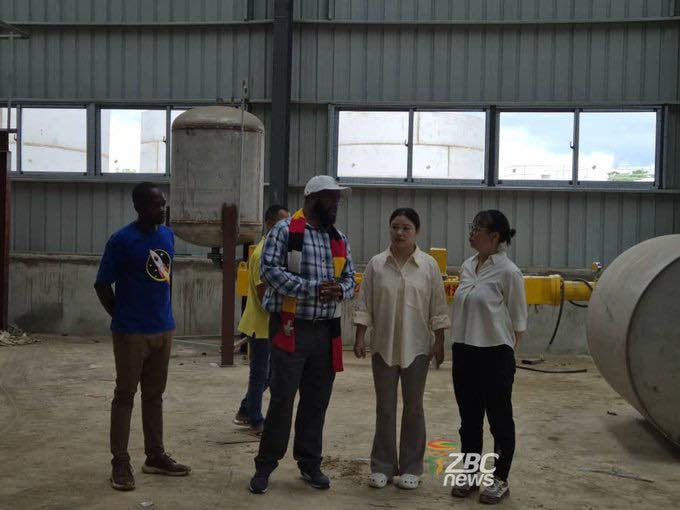
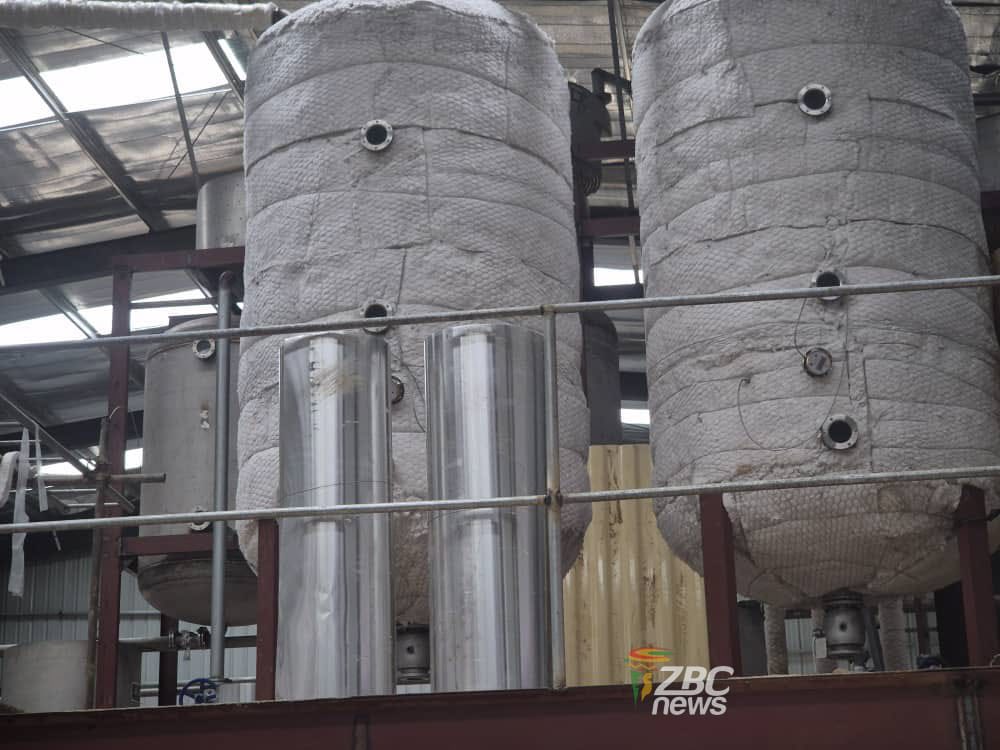
The Komo United Resins factory, a project hailed by Manicaland’s Minister of State for Provincial Affairs, Advocate Misheck Mugadza, as a “milestone in our rural industrialisation agenda,” during his tour of the near-finished plant represents this shift.
As reported by local media, the plant’s first phase is complete, paving the way for operations that will process raw resin into higher-value industrial products. Minister Mugadza said this week it is now expected to start working in February 2026.
The government expects it to generate export earnings and create hundreds of direct jobs, supporting nearly 2,000 more in the surrounding supply chain from tapper to transporter.
The venture’s success, however, depends on securing the very resource it needs: healthy, productive pine forests.
This is no simple task. The forestry sector has long been scarred by conflict with illegal settlers, whom commercial growers blame for devastating arson.
A 2007 FAO working paper on forest protection in Zimbabwe identified encroachment by settlers as a major exacerbating factor for wildfires, a view echoed consistently by the industry.
These fires destroy not just timber but, now, the raw material for a nascent value-added industry.
Paradoxically, the resin plant itself could become part of the solution.
By creating a durable economic incentive to keep forests standing and productive, it aligns with broader goals for sustainable land use.
As highlighted in the International Labour Organization’s Green Jobs Assessment for Zimbabwe, investments in the agriculture, forestry and land-use sector are crucial for creating employment while managing emissions.
Formalising the resin supply chain offers a potential pathway to “green jobs,” providing licit income for local communities and a powerful reason to protect the forest from fire.
The challenge for provincial authorities is to foster this symbiosis. The project’s promise hinges on moving beyond the old cycles of conflict and moving towards inclusive models of resource sharing.
If successful, the Komo plant will be measured by more than its export receipts; it will be judged on whether the economic value of a living tree can finally outweigh the destructive power of the flame.
Do you have a story to share? Email bchiketo@gmail.com