




by NORMA TSOPO
IN JULY 2026, Zimbabwe’s Cabinet approved the National Gastronomy Strategy 2026–2030, a move that has quietly positioned the country as a continental pioneer.
The strategy, which seeks to formalise the integration of traditional cuisine into the national tourism agenda, has already attracted international attention.
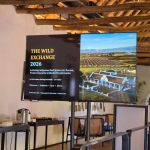
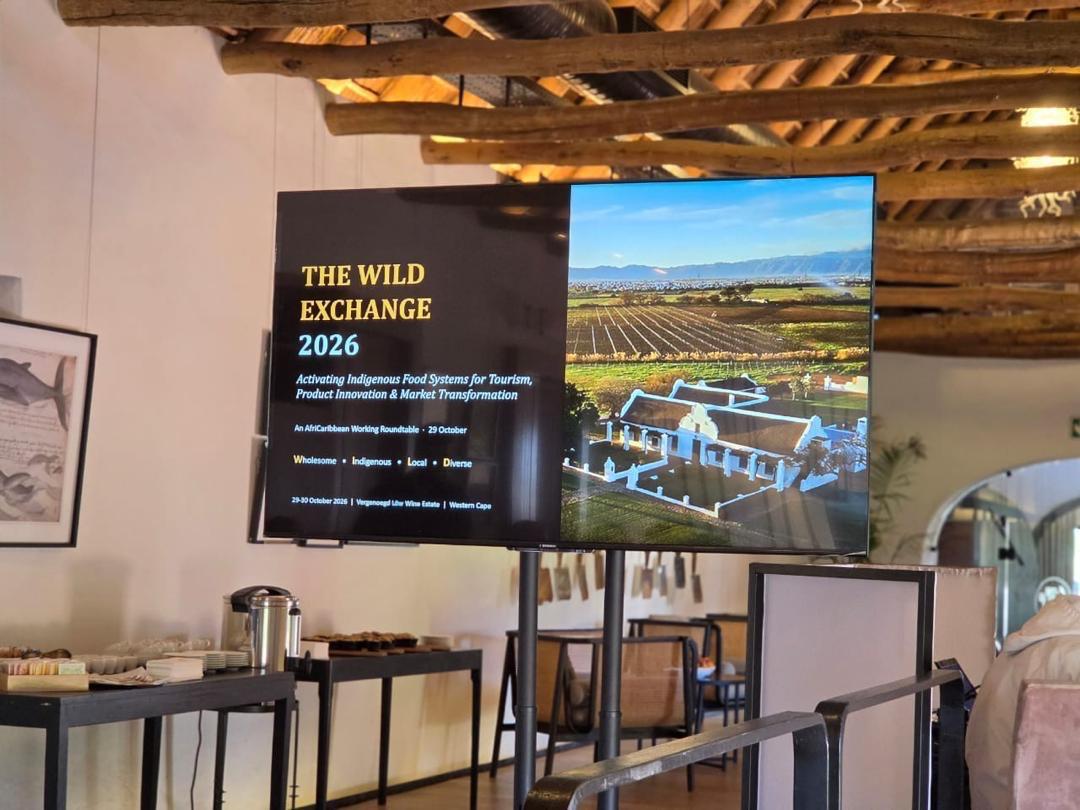
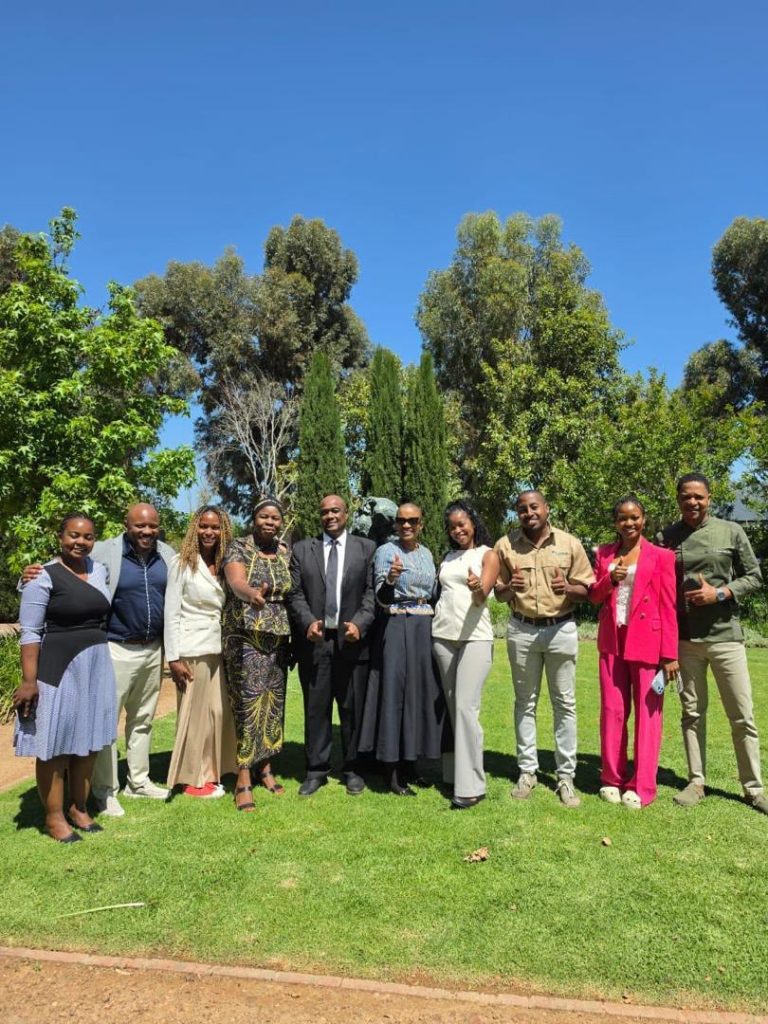
Following its launch, the Food and Agriculture Organization (FAO) invited Zimbabwe to share its experience at the WILD Exchange 2026 in Cape Town, South Africa—a recognition of the country’s early efforts to institutionalise African traditional cuisine within both government and private-sector frameworks.
At the heart of this initiative is a simple but potent economic proposition: food is not merely sustenance but a cultural asset with commercial value.
The Minister of Tourism and Hospitality Industry, Hon. Barbara Rwodzi, was quick to acknowledge the role of the First Lady, Her Excellency Dr Auxillia Mnangagwa, in championing this agenda.
As Patron of Tourism, Dr Mnangagwa has been credited with reintroducing Zimbabwe’s traditional cuisine and driving a value-chain approach that deliberately includes women, youth, people living with disabilities and rural communities.
The emphasis on inclusion is not incidental; it reflects a broader recognition that gastronomy tourism can distribute economic benefits more widely than conventional tourism models.
The engagement in Cape Town underscored the strategic potential of gastronomy tourism. By positioning communities as custodians of indigenous food knowledge and traditions, the strategy aims to safeguard cultural identity while simultaneously creating economic opportunities from that heritage.
The FAO’s WILD Africa and Caribbean initiative, which seeks to connect indigenous food systems across both regions to markets through culinary innovation, premium hospitality, tourism and trade, provides a useful multilateral platform for this exchange.
For Zimbabwe, the invitation to share its experience is both a validation and an opportunity to attract investment and partnerships.
The broader significance, however, lies in the precedent. As one of the first African countries to institutionalise traditional cuisine within its national tourism development agenda, Zimbabwe is testing a model that other nations may soon follow.
The challenge will be in execution—translating a Cabinet-approved strategy into tangible benefits for rural communities and small-scale producers.
But the direction of travel is clear. Gastronomy tourism, once a niche concern, is being repositioned as a serious instrument of cultural diplomacy and economic development. If Zimbabwe gets it right, the world may soon be looking to Harare for more than its scenery.
Do you have a story to share? Email bchiketo@gmail.com