





The mountain district wants back its second place in Zimbabwe’s tourist rankings. Roads, water and illegal gold panners stand in the way.
by BERNARD CHIKETO
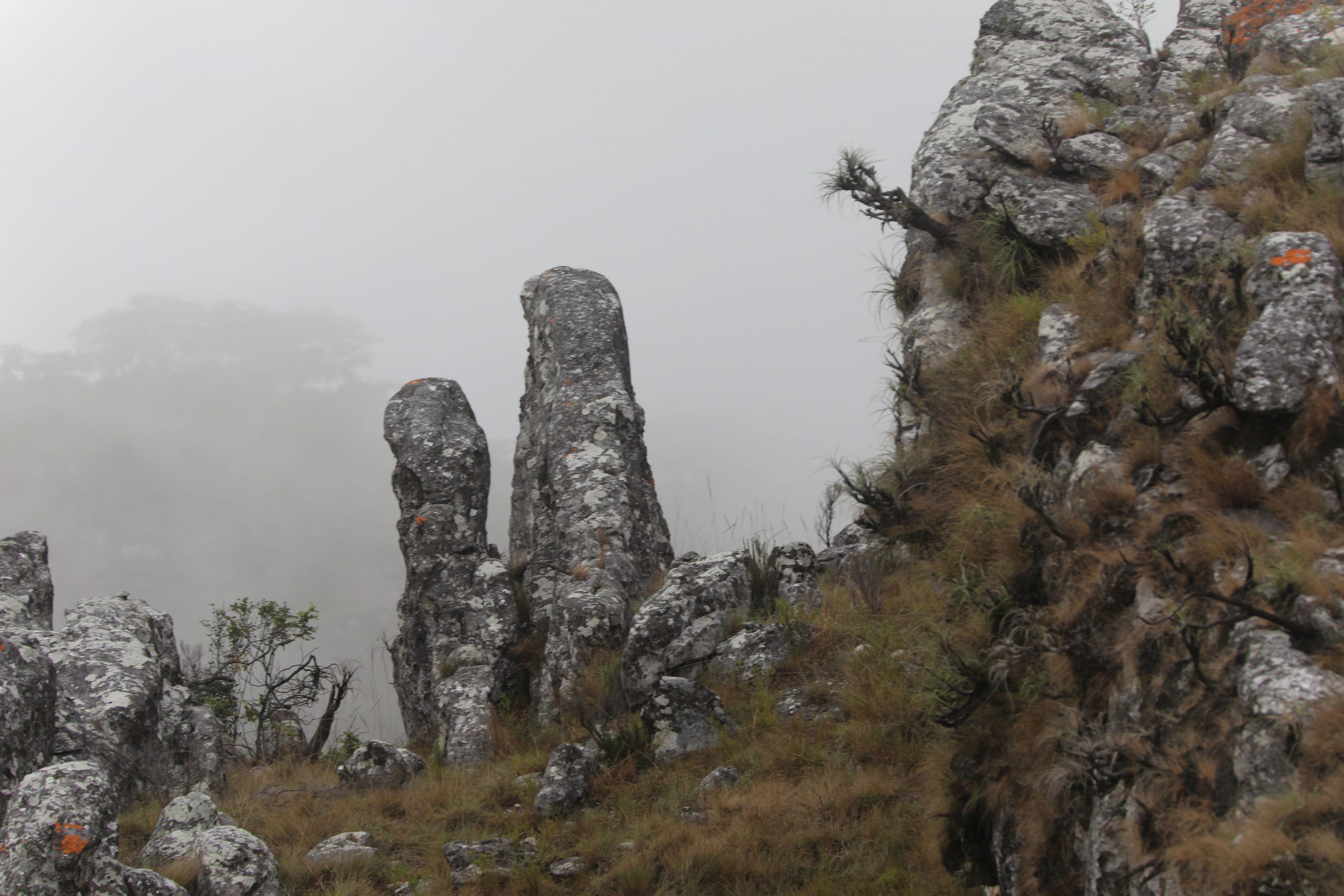
CHIMANIMANI has the raw material. Hiking trails, waterfalls, caves and endemic flora and fauna helped earn the district a UNESCO Biosphere Reserve designation in 2022, and the reserve’s own documentation notes that tourism, “especially mountain hiking and birdwatching, brings external revenue and visibility to the region”.
On October 21st and 22nd, Joseph Tekesa, chairperson of the Chimanimani Tourist Association, told a business symposium that the trade has grown.
Lodges have multiplied over the past decade, from a handful of low-cost options to upmarket places offering accommodation and dining.
The Chimanimani Resort has opened; the Outward Bound School remains. Events such as Run Chimanimani, the CTA Park Run, the Mbira Trail and the 3 Peaks Challenge keep the name in circulation. A Community Biodiversity Learning Centre links schools and conservation. Biriri Women Craft sells handmade Gudza products abroad. Golf has a future: Trust Makanidzani coaches youngsters, and Vincent Chidambazina, a local, is among Zimbabwe’s top amateurs.
The numbers, where they exist, are encouraging. The Zimbabwe Tourism Authority’s 2026 performance report recorded room occupancy in Manicaland rising from 27 percent to 42 percent, with Chimanimani contributing significantly to the province’s resurgence.
Post-Cyclone Idai rebuilding has restored roads, bridges and tourism infrastructure, and attractions that were once inaccessible have reopened.
But the recovery is uneven, and the district’s ambition to reclaim second place behind Victoria Falls—a ranking it once claimed—remains aspirational.
A 2011 report in The Zimbabwean noted that Chimanimani “has not been on an equal footing with other tourist attractions in the country – such as Kariba, Great Zimbabwe and Victoria Falls,” despite offering scenery “ranked highly the world over”. Fifteen years later, the gap has narrowed but not closed.
The problems Tekesa listed are equally clear, and they are problems of public goods rather than demand.
Poor roads make some attractions hard to reach; inadequate water supply hurts lodges, the wider industry and residents. A study of Cyclone Idai’s impact on tourism in Chimanimani found “consensus on the damage to roads, some lodges, bridges, ICTs and power and water supply systems,” and recommended infrastructure restoration as a precondition for recovery.
The requirement that hikers take an armed ranger—introduced as protection against illegal gold miners—has cut visitor numbers and raised costs. The protocol, as one guide describes it, requires tourists to be accompanied by an armed ranger booked at least 24 hours in advance through the national parks office. Robberies have made tourists nervous.
Then there is the mountain itself.
Illegal gold panning in the Chimanimani range and along the Rusitu river has polluted waterways and scarred the landscape. Reporting by the Thomson Reuters Foundation in 2020 quoted Collen Sibanda, then vice-chairman of the CTA, saying that during covid lockdowns “we started to see hundreds” of illegal miners in the mountains, and that rangers from the parks authority were alleged to be involved. Julia Pierini of BirdLife Zimbabwe described the damage in blunt terms: “The waters are being polluted; the biodiversity poisoned; endemic plants dug up (and) trampled; animals and birds poached; (and) litter strewn all over the mountains”.
The mining has not stopped.
A joint statement by Mutare civil society organisations documented mining fronted by Chinese nationals on the Muchira, Chisengu and Haroni rivers, causing water pollution and destroying river ecosystems at scale.
Tourists forgive a lot; they do not forgive poisoned water and a mountain gouged by miners.
Tekesa’s expectations of government and stakeholders are modest and practical.
Educate people not to litter, burn veld or cut indigenous trees. Stop illegal gold panning. Enforce the National Clean-Up Campaign. Ask the Ministry of Transport to tell bus crews to stop passengers throwing rubbish out of windows. Include the CTA in environmental-awareness campaigns.
UNESCO’s biosphere reserve profile already recognises the CTA’s role in offering guide training and supporting income opportunities for guides and porters.
None of this requires a new grand strategy. It requires coordination, enforcement and a recognition that tourism is an ecosystem, not just a lodge and a trail.
The ambition is explicit – Chimanimani wants to reclaim second place among Zimbabwe’s tourist destinations. That is plausible. The district’s geography is distinctive, its community groups are active and its operators are investing.
But the ranking will not be won by marketing alone.
As with other recent Zimbabwean consultations, from intersex rights to local tourism, recognition is easy; implementation is the hard part.
Chimanimani’s tourist trade has shown it can grow. Now it needs the state to help it grow up.
Do you have a story to share? Email bchiketo@gmail.com