





Zimbabwe’s quiet reckoning with the reality of intersex lives
by BERNARD CHIKETO
IN A CONFERENCE room in the capital, the language was careful and the stakes were clear. On October 29th, the Zimbabwe Human Rights Commission convened a dialogue on the rights of intersex persons, bringing together an unusual coalition: government ministers, traditional chiefs, civil society, and members of a community that has long existed on the margins of Zimbabwean law and social life.
The chairperson, Anele Ndebele, opened with a plea for mutual respect. The subtext was harder: Zimbabwe’s legal framework has yet to reckon with a biological reality that does not fit its binary categories.
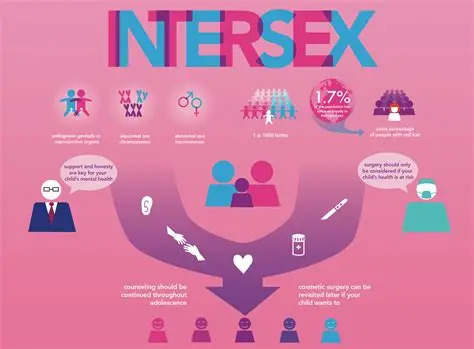
Intersex persons are born with sex characteristics that fall outside typical definitions of male or female. This is not a matter of sexual orientation, as Ndebele was at pains to point out, but of anatomy and genetics.
Yet in Zimbabwe, as elsewhere, the misunderstanding has consequences.
Without appropriate gender markers on official documents, intersex persons face bureaucratic paralysis: difficulties enrolling in school, accessing healthcare, or obtaining the national identity cards required for formal employment and banking.
The commission’s national inquiry into access to documentation exposed these gaps.
The government, to its credit, is now researching possible reforms.
The timing is delicate. President Emmerson Mnangagwa’s administration has signalled a willingness to consider legal and policy changes, but any move to accommodate intersex citizens will require careful navigation.
Social conservatism runs deep, and the country’s traditional leaders—custodians of custom and community values—hold considerable sway. Their presence at the dialogue was therefore significant.
Ndebele addressed them directly, framing their role not as obstacles but as essential partners. “Our traditions and our Constitution need not be presented as opposing forces,” he said.
The argument is pragmatic: culture, properly understood, protects dignity rather than erodes it.
Whether that framing gains traction remains to be seen.
Zimbabwe’s Constitution guarantees equality and non-discrimination, but translating those guarantees into practical protection for a stigmatised minority is another matter.
The dialogue was explicitly designed not to pre-empt government decisions but to deepen understanding—a cautious, consultative approach that reflects the political sensitivities involved. Yet the mere fact of the gathering, co-hosted by the Ministry of Justice and the intersex community, suggests a shift.
The conversation is no longer whether to discuss intersex rights, but how to reconcile them with Zimbabwe’s legal and cultural landscape.
For the chiefs in attendance, the message was pointed: they can dispel misconceptions or entrench them. For the government, the challenge is to move from research to reform. For intersex Zimbabweans, the hope is that a dialogue in a conference room might eventually translate into the documents and dignity they have long been denied.
The door, as Ndebele put it, is now officially open. What walks through it is another matter.
Do you have a story to share? Email bchiketo@gmail.com