






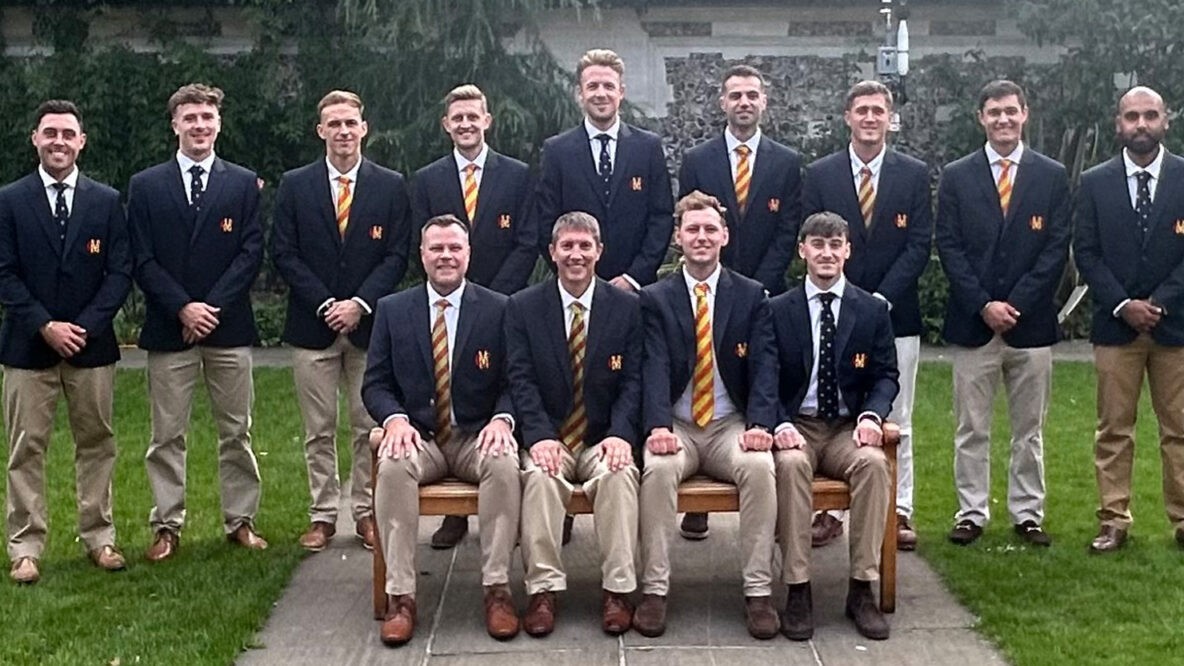
A tour by a revered English cricket club is part of a strategy to pitch the country as a destination for high-value sports tourism.
by Bernard CHIKETO
IT HAS been six decades since the Marylebone Cricket Club (MCC), the custodian of the sport’s laws and a side steeped in English tradition, last played in Zimbabwe. Its return this month for a series of matches against local teams is, on the surface, a simple sporting fixture.
But for the government in Harare, it is a significant foray into the competitive arena of sports tourism—a lucrative market it is keen to exploit.
At a dinner held in honour of the visiting MCC side on October 8th, Dr Taka Munyanyiwa, the permanent secretary of the Ministry of Tourism and Hospitality Industry, laid out the strategic thinking with the precision of a well-thrown googly.
Flanking him were officials from Zimbabwe’s sports and tourism bodies, a gathering that itself highlighted the cross-departmental importance of the visit.
“Cricket is more than a game; it is a universal language that unites people,” Dr Munyanyiwa remarked, deftly framing the tour as an exercise in soft power and cultural diplomacy that mends fences and builds “bilateral ties between Zimbabwe and England.”
Beyond the diplomatic pleasantries, however, lay a hard-nosed economic agenda. Dr Munyanyiwa was explicit: “Sports Tourism is a vital component of our Ministry’s strategy.”
Globally, the sports tourism market is estimated to be worth over $500bn, a figure that has emerging economies scrambling to host everything from continental football championships to international marathons.
For Zimbabwe, which boasts natural wonders but has struggled with perceptions of political instability, cricket offers a conduit to a wealthier, international demographic.
The centrepiece of this ambition is a bold infrastructural project already underway: a state-of-the-art cricket stadium in Victoria Falls.
This is not merely an upgrade of facilities; it is a deliberate attempt to fuse sport with spectacle. The falls, a UNESCO World Heritage site known locally as Mosi-oa-Tunya (“The Smoke That Thunders”), are one of the continent’s premier tourist attractions.
By positioning a world-class cricket ground in such a location, Zimbabwe hopes to create an irresistible package for touring teams and their travelling supporters—a chance to watch a match with one of the natural wonders of the world as a backdrop.
Dr Munyanyiwa extended a direct invitation to the MCC to return and “play your games in our majestic Victoria Falls,” signalling that this tour is merely a prelude to a grander vision for the 2026/27 season and beyond.
The potential rewards are clear. International cricket tours bring in media coverage, fill hotel rooms, and boost revenue for local businesses, from restaurants to tour guides. They also serve to rebrand a destination.
By successfully hosting a respected institution like the MCC, Zimbabwe can project an image of stability and competence to the world, encouraging further investment and tourism beyond the boundary rope.
The challenge, as with any drive to attract international events, will be in the execution. Perceptions can be slow to change, and the success of the Victoria Falls stadium will hinge on consistent funding and flawless management.
Yet, the presence of the MCC’s blazers in Harare, and the government’s concerted effort to roll out the red carpet, suggests a recognised synergy between the wicket and the wider economy.
As Dr Munyanyiwa quipped, hoping to avoid another 60-year wait for a return visit, Zimbabwe is betting that a well-timed cover drive can be as compelling as the smoke that thunders.