





by NORMA TSOPO
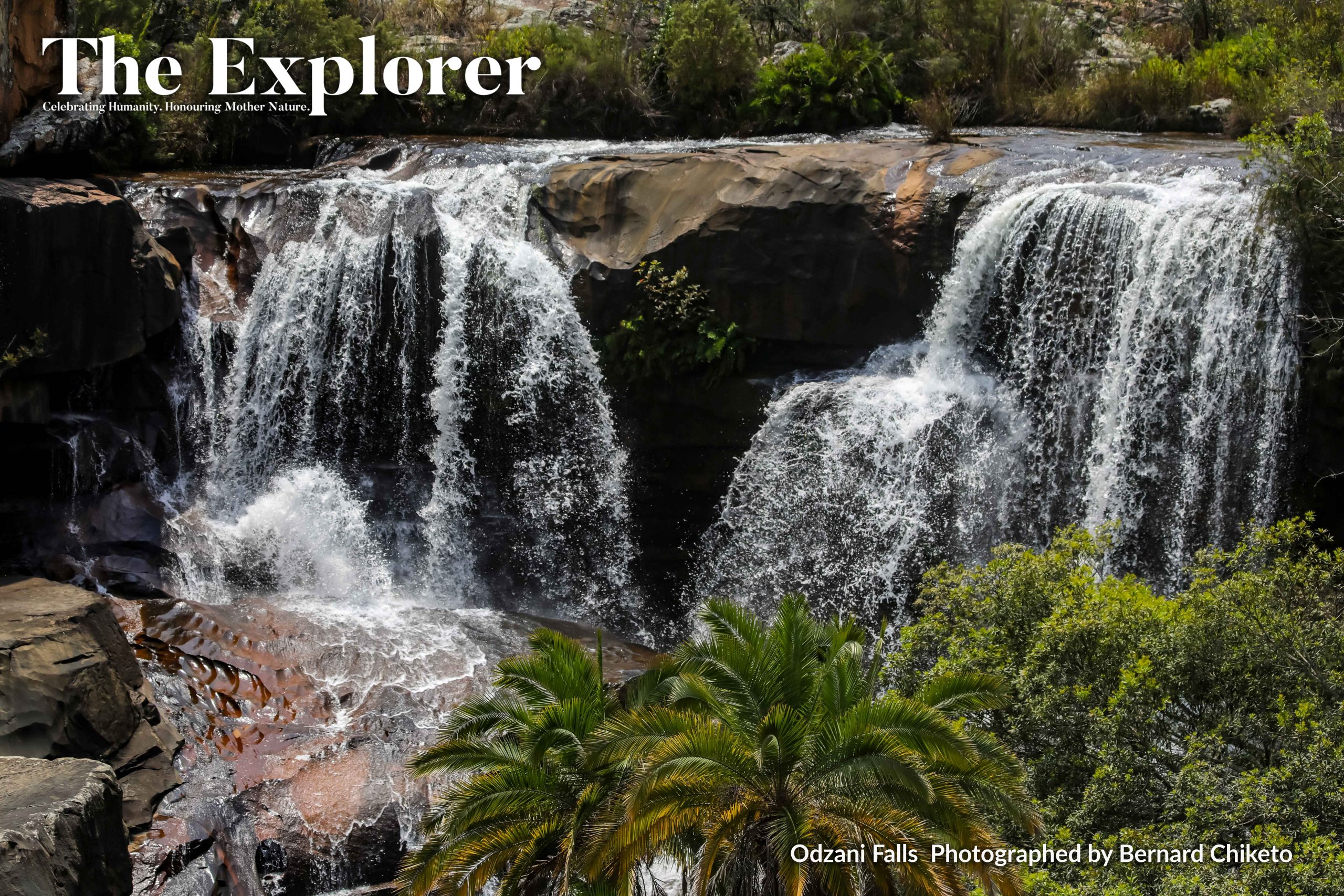
FOR decades, the Eastern Highlands have been an unlikely backwater. A landscape of mist-draped mountains, tea plantations and forests that tumble towards Mozambique, it possesses all the raw materials of a tourist mecca: mild climes, dramatic scenery and a certain colonial-era charm.
Yet the region has long been a tale of potential unfulfilled, its crumbling roads and faded hotels speaking to years of neglect.
Now, in a sign of the Second Republic’s broader economic ambitions, the government believes it has found the map.
Cabinet has approved a sweeping “Plan for the Targeted Development of Tourism Attractions in the Eastern Highlands”, a strategy that seeks to refashion the corridor into a leading tourism hub. Presented by Barbara Rwodzi, the Minister of Tourism and Hospitality Industry, the plan is the latest component of a state-driven push to diversify an economy long over-reliant on mining and agriculture.
The ambition is to harness what Zhemu Soda, the Minister of Information, described as the region’s “significant potential” by focusing investment on defined nodes: Nyanga, Mutare, Vumba, Chipinge and Chimanimani.
It is a classic exercise in state-led spatial development. Rather than spreading scarce resources thinly, the government intends to concentrate efforts on high-potential areas, creating a cluster-based approach that spans nature and wildlife, holiday and recreation, culture and heritage tourism and the lucrative Meetings, Incentives, Conferences and Exhibitions (MICE) sector. The idea is to replicate the logic of an industrial park, but for holidaymakers: build the infrastructure, and private capital will follow.
There are already signs of groundwork being laid.
The government has invested in road rehabilitation, spruced up hot springs and upgraded sports facilities. The expansion of Grand Reef Airport near Mutare is intended to ease the perennial problem of access.
Last year, Manicaland Province hosted the Sanganayi/Hlanganani/Kumbanayi Tourism Expo, a gesture that signals the government’s intent to put the region on the map.
These may be incremental steps, but they are part of a wider strategy to position the Eastern Highlands as a designated “tourism zone”.
The timing is not incidental. Zimbabwe’s tourism sector is on a recovery path after the deep disruptions of the covid-19 pandemic and years of broader economic volatility.
According to official figures, tourism receipts have risen by 10%, with the sector now contributing 6% to gross domestic product.
The government is keen to present this as evidence that its policies are bearing fruit, even as the country grapples with currency instability and stubborn inflation.
For the Eastern Highlands, the challenge will be in the execution. Zimbabwe’s history is replete with grand plans that foundered on the rocks of underfunding, bureaucratic inertia or political interference.
Yet there are reasons to think this push may be different. The plan is explicitly tied to the devolution agenda, which grants provinces greater control over their resources and revenue.
In theory, this should allow Manicaland to tailor development to its own assets—the tea estates of Chipinge and Honde Valley, the hiking trails of Chimanimani, Vumba and Nyanga, the heritage sites around Mutare and Nyanga—without waiting for direction from Harare.
There is also a strategic imperative. As Zimbabwe seeks to rebrand itself as a stable investment destination, tourism offers a relatively quick win. It is labour-intensive, can be developed in partnership with local communities and generates foreign currency at a time when the country is chronically short of it.
The Eastern Highlands, with its cooler climate and scenery, is also well-suited to attracting the growing cohort of domestic travellers, as well as regional visitors from South Africa and beyond.
The question is whether the state can create the conditions for private investment to flourish.
A successful tourism zone requires not just roads and airports, but also reliable utilities, clear property rights and a predictable regulatory environment.
The government’s cluster-based strategy, with its emphasis on culture and heritage and MICE, suggests an understanding that visitors are looking for authentic experiences rather than just another hotel.
But turning that understanding into a sustained flow of high-value tourists will require a level of institutional co-ordination that has often proved elusive.
For now, the mood in the highlands is cautiously optimistic. The cabinet’s approval provides political cover for what has long been a local imperative: to unlock the economic potential of a region that has too often been admired from a distance but never fully developed.
If the plan succeeds, the Eastern Highlands could finally become what it has always promised to be: a scenic corridor that is as much an economic engine as an escape.
If it fails, it will serve as yet another reminder that in Zimbabwe, even the most beautiful vistas can be held hostage by the gap between ambition and execution.
Do you have a story to share? Email bchiketo@gmail.com