




A cholera alert shows how unlicensed gold-digging is poisoning more than the soil
by STAFF WRITER
Health authorities in Manicaland province have issued a cholera alert after a confirmed case was detected in Mutare, linked to a patient who had recently visited the gold-mining area of Penhalonga.
The development has raised concerns over a potential outbreak, as Penhalonga has become an epicentre of environmental degradation driven by illegal artisanal mining—a crisis that recently manifested in a spike in malaria cases from rainwater-filled pits left by unlicensed prospectors.
The Ministry of Health and Child Care confirmed one positive case and one suspected case, both of whom had travelled to the Penhalonga mining community.
The alert, issued for both rural and urban Mutare residents, warns that cholera—an acute, potentially fatal diarrhoeal infection caused by Vibrio cholerae—can kill within hours if untreated.
The timing is precarious.
Manicaland province was already on high alert in February after two confirmed cholera cases were recorded in Nyanga, with a third suspected in Chipinge.
That outbreak was later contained.
Penhalonga, some 20km from Mutare, has long been a magnet for illegal artisanal miners. Open defecation is commonplace.
The environmental toll is severe: an estimated 1,000 mining pits scar the landscape, with miners using mercury to separate gold from ore, contaminating rivers and water sources.
During the past rainy season, many of these open pits collected standing water, creating ideal breeding grounds for malaria-carrying mosquitoes.
The result was a surge in malaria cases that made national headlines, exposing the public health catastrophe wrought by unregulated mining.
Now, the same pits threaten to spread cholera.
Contaminated water—whether from polluted rivers or stagnant pools—is the primary vector for the bacterium.
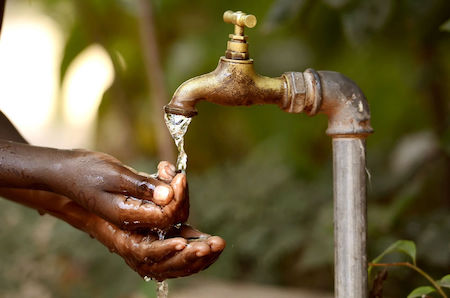
Health authorities are urging residents to boil drinking water, use purification tablets such as Aqua Tab or Water Guard, and practise rigorous handwashing with soap or ashes.
Food should be thoroughly cooked and eaten hot; raw fruits and vegetables must be washed with safe water.
The Ministry has also issued a stark warning: any person presenting with diarrhoea should be treated with suspicion, “especially if we happen to have visitors from Penhalonga”.
Symptoms include severe watery diarrhoea—often described as “rice water” stool—sudden vomiting, rapid dehydration, sunken eyes, and muscle cramps.
In the event of illness, authorities advise preparing an oral rehydration solution (six level teaspoons of sugar and half a teaspoon of salt in one litre of boiled water) and seeking immediate medical attention at the nearest clinic or hospital. Breastfeeding should not be stopped for infected infants.
The convergence of cholera and malaria in Penhalonga underscores a broader failure of governance.
Illegal mining operations have flourished despite formal commitments to have order in the area. The result is a public health crisis that spills beyond the mining pits into surrounding communities, including Mutare.
Do you have a story to share? Email bchiketo@gmail.com